

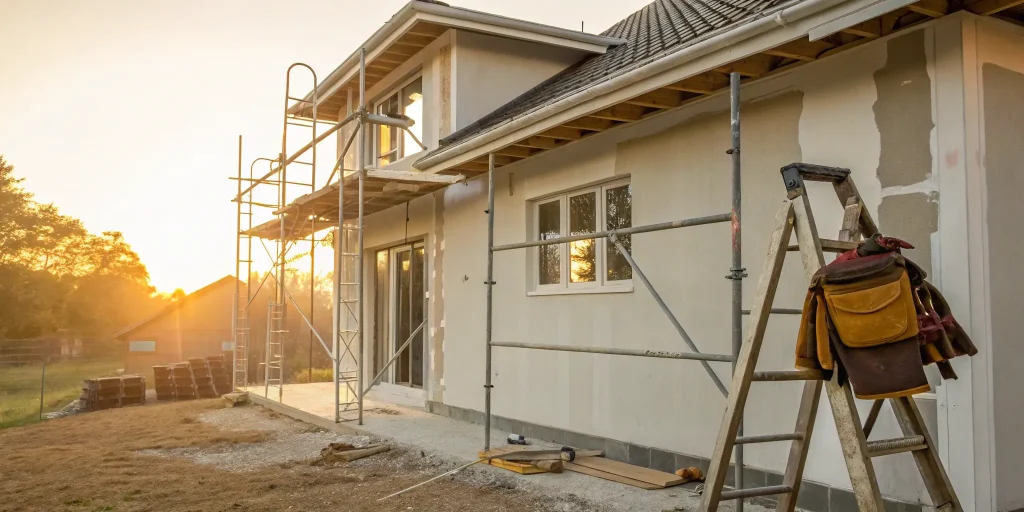
Think of your real estate investment strategy like a well-stocked toolbox. You have different tools for different jobs, and using the right one is critical for success. A traditional mortgage is like a reliable wrench—great for standard, long-term projects. But for a fast-paced house flip, you need something more specialized. You need a power tool. That’s exactly what hard money loans for flipping houses are. They provide the speed and force you need to acquire and renovate a property quickly. They aren’t the right fit for every situation, but when a deal requires you to move fast, they are absolutely essential. Let’s break down when to use them and how to do it right.
Key Takeaways
- Use Speed as a Strategic Advantage: Hard money loans allow you to close on deals in days, giving you an edge over competitors using slower, traditional financing. This speed comes with higher costs, so reserve it for properties where a fast close is essential to securing a profitable flip.
- Protect Your Profits with a Rock-Solid Plan: The success of your flip depends entirely on your preparation. Before you commit, create a detailed renovation budget with a 10-20% contingency fund and establish a clear exit strategy—whether selling or refinancing—to ensure you can repay the loan on time.
- Choose a Lender Who Invests in Your Success: Your lender should be more than just a source of capital; they should be a strategic partner. Look for an experienced lender with transparent terms who you can build a long-term relationship with, leading to better terms and smoother financing on future deals.
What Is a Hard Money Loan for House Flipping?
Think of a hard money loan as a short-term financing tool designed specifically for real estate investors. These loans are used to buy and renovate a property you intend to sell for a profit, and they’re secured by the property itself—the “hard asset.” Unlike traditional bank loans, hard money comes from private lenders or companies like Asteris Lending, which can move much faster to get you the capital you need.
For house flippers, this speed is everything. When you find a great deal, you can’t afford to wait 30 or 60 days for a bank to approve your mortgage. Hard money loans, often called bridge loans, close that gap, allowing you to secure a property in a matter of days. They are a go-to solution for investors who need to act quickly in a competitive market. Because the loan is based on the property’s value rather than your personal financial history, it opens up opportunities that might otherwise be out of reach. While they function differently from the loans you might be used to, understanding how they work is the first step to using them effectively in your investment strategy. We’ll break down exactly what sets them apart from traditional financing and why the property itself is the star of the show.
Hard Money vs. Traditional Loans
The biggest difference between hard money and a traditional mortgage is speed. A hard money loan can be approved and funded in as little as a week, while a conventional loan often takes a month or more. This is because hard money lenders have a more streamlined underwriting process. These are also short-term loans, with terms typically lasting from six months to a few years, designed to cover the purchase and renovation period. In contrast, mortgages are long-term commitments of 15 or 30 years. This speed and flexibility come at a cost—you can expect higher interest rates and upfront fees, known as “points,” which are a percentage of the total loan amount.
Why Your Asset Matters More Than Your Credit
With a traditional loan, the lender focuses on you—your credit score, your income, and your debt-to-income ratio. With a hard money loan, the lender focuses on the deal. Your eligibility is primarily based on the value of the property you’re buying, particularly its After Repair Value (ARV). This is because the property itself is the collateral for the loan. If the numbers on the deal make sense and there’s a clear path to profit, the lender feels secure. This asset-based approach means you might get approved even if you don’t have a perfect credit score or a W-2 job, which opens the door for many self-employed investors and entrepreneurs.
Should You Use a Hard Money Loan for Your Flip?
Deciding whether to use a hard money loan for your next flip is a major strategic choice. It’s not a simple yes or no answer; it’s about understanding what this type of financing is designed for and seeing if it aligns with your project’s goals. Think of it as a specialized tool in your investor toolkit. You wouldn’t use a sledgehammer to hang a picture frame, right? Similarly, a hard money loan is perfect for certain situations but might be overkill or too costly for others.
The core trade-off is speed for cost. You get access to capital incredibly fast, which can be the deciding factor in a competitive market. But that speed comes at a premium. These loans, often called fix-and-flip bridge loans, are structured for short-term projects where you can get in, add value, and get out quickly. The real question is whether the opportunity you’re chasing justifies the higher expense. For a deal with a tight timeline and a high potential profit margin, it can be an absolute game-changer. For a slower-paced project with thinner margins, a more traditional route might be better. Let’s break down the pros and cons so you can decide with confidence.
Pro: Get Funded Faster with More Flexibility
The biggest advantage of a hard money loan is speed. While a traditional bank loan can take 30 to 60 days to close, a hard money loan can be funded in as little as 5 to 10 days. In a hot real estate market, that speed is your competitive edge. It allows you to make offers that can compete with all-cash buyers and snatch up a great deal before anyone else has their financing in order. Beyond speed, there’s flexibility. Hard money lenders are more concerned with the value of the property—your asset—than your personal credit score. This focus on the deal itself means they can fund projects that banks might turn down, like a property that needs significant repairs.
Con: Expect Higher Costs and Shorter Timelines
This speed and flexibility come at a price. The most significant drawback of hard money loans is the cost. You can expect interest rates to be much higher than traditional bank loans, often in the 10-14% range, plus additional fees called “points.” The timelines are also much shorter. These aren’t 30-year mortgages; you’ll typically need to repay the loan within 6 to 18 months. This compressed timeline puts pressure on you to complete your renovation and sell the property quickly. If you run into unexpected delays or the market shifts, the high carrying costs can quickly eat into your profits, so you need to be prepared for the financial commitment.
When a Hard Money Loan Fits Your Strategy
So, when does it make sense? A hard money loan is a great fit when you have a solid deal and speed is essential. If you’re in a competitive market and need to close fast, it can be the key to winning the property. It’s also ideal for experienced investors who have a proven system for renovating and selling homes on a tight schedule. The most critical piece of the puzzle is having a clear and realistic exit strategy. You must have a solid plan to repay the loan, either by selling the flipped property for a profit or by refinancing into a long-term mortgage once the renovations are complete. This isn’t financing for beginners; it’s for calculated moves.
What to Expect from Your Hard Money Loan
So, you’ve decided a hard money loan is the right move for your next flip. Before signing any paperwork, it’s crucial to understand how these loans work. They operate differently from traditional mortgages, and knowing the key components—from fees to repayment—will help you prepare your budget and set your project up for success.
Breaking Down Rates, Points, and Fees
Hard money loans have higher interest rates than conventional loans—that’s the trade-off for speed and flexibility. You’ll also pay upfront fees called “points,” typically 2-4% of the total loan amount. These costs are part of the package because lenders take on more risk with a short-term, asset-based loan. Think of these fees as the cost of opportunity, allowing you to secure a property quickly. Factoring these expenses into your initial budget is a critical first step.
How Loan-to-Value (LTV) Affects Your Down Payment
Expect a larger down payment, often between 20% and 30%. But here’s the key difference: the loan amount isn’t just based on the purchase price. Lenders focus on the property’s potential, specifically its After-Repair Value (ARV). They calculate the loan based on what the property is worth after renovations. This ARV-based approach is great for investors because it often allows you to finance a portion of your repair costs, not just the acquisition.
Planning Your Repayment and Exit Strategy
Hard money loans are short-term, with repayment periods from six months to a few years. This means you need a solid exit strategy before you close. How will you pay back the loan? Most investors either sell the renovated property for a profit or refinance into a long-term mortgage to hold it as a rental. Having a clear and realistic plan A—and even a plan B—is non-negotiable for a successful flip.
Applying the 70% Rule to Your Deal
A great guideline for analyzing a flip is the 70% rule. This formula helps you determine the maximum price to pay for a property to ensure a healthy profit margin. Here’s the breakdown: take the property’s ARV, multiply it by 70%, and then subtract the estimated repair costs. The result is your maximum offer. While not a rigid rule, many successful investors use this benchmark to quickly vet deals and avoid overpaying.
How to Choose the Right Hard Money Lender
Finding the right hard money lender is just as important as finding the right property. This isn’t just a transaction; it’s a partnership that can make or break your project’s profitability. You need a lender who understands the fast-paced world of house flipping and can provide the capital you need without unnecessary delays. The best lenders act as a strategic partner, offering not just funds but also expertise drawn from years of experience in the real estate market. They should be able to close quickly, communicate clearly, and offer transparent terms that align with your project goals.
When you’re vetting potential lenders, you’re looking for a combination of experience, fair terms, and a communication style that works for you. Think of it like building your A-team—your lender is a key player. A great one will be a long-term asset for your business, helping you scale your flipping operations with reliable bridge loans. The goal is to find a partner you can trust with your current deal and the many more you plan to do in the future.
Look for a Proven Track Record
Experience is a two-way street. Just as lenders want to see that you have a few successful renovations under your belt, you should expect the same from them. A lender with a long and proven track record in financing fix-and-flip projects will understand the specific challenges and timelines you’re working with. They’ve seen deals of all shapes and sizes and won’t be rattled by the unexpected. Look for a lender who proudly showcases their portfolio or case studies. Don’t be afraid to ask about their experience with projects similar to yours. An established lender is a sign of stability and reliability.
Compare Loan Terms and Communication Styles
Not all hard money loans are created equal, so it’s essential to compare offers carefully. Look beyond the interest rate and dig into the details: origination points, processing fees, loan-to-value (LTV) ratios, and the repayment schedule. A lender with significant experience will be familiar with the nuances of fast-tracking loans for fix-and-flip projects. Equally important is their communication style. Are they responsive and easy to reach? Do they explain the terms clearly and answer your questions patiently? When you’re on a tight deadline, having a lender who goes silent can be a deal-killer. Find someone who values clear and consistent communication.
Build a Relationship to Negotiate Better Terms
Your first loan with a hard money lender is the start of a potential long-term relationship. As you successfully complete projects and prove yourself to be a reliable borrower, you build trust. This track record can be your greatest negotiating tool. Building a relationship with your lender can lead to better terms and more flexibility on future deals, such as lower interest rates, fewer points, or higher LTVs. Be transparent about your business goals and keep your lender updated on your progress. When they see you as a dependable partner, they’ll be more invested in your success and more willing to work with you to fund your next profitable flip.
Lender Red Flags to Watch For
While most lenders are professionals, it’s smart to know the warning signs of a bad actor. A major red flag is a lack of transparency. If a lender is vague about their fees or rushes you to sign documents without giving you time for a thorough review, proceed with caution. Unresponsiveness is another bad sign; if they’re hard to reach during the application process, imagine what it will be like when you need a draw for your renovation. Be wary of any lender who promises terms that sound too good to be true or who doesn’t have a professional website or verifiable track record. Trust your gut—if something feels off, it’s better to walk away and find a more reputable partner.
Common Hard Money Loan Mistakes to Avoid
Hard money loans are incredible tools for moving quickly on an investment property, but their speed and flexibility come with unique risks. Getting ahead of the most common pitfalls is the best way to protect your project and your profits. By understanding where other investors have stumbled, you can create a smoother, more successful flipping experience for yourself. Let’s walk through the four biggest mistakes to avoid when using a hard money loan.
Underestimating Renovation Costs and Timelines
It’s easy to look at a property with rose-colored glasses, but an overly optimistic renovation budget can sink your project before it even starts. Many investors get into trouble by underestimating how much time and money the repairs will actually take. A surprise plumbing issue or a delay in permit approvals can quickly eat into your profits and extend your loan term. Always get detailed quotes from multiple contractors and build a contingency fund of at least 10%–15% into your budget to cover unexpected expenses. This buffer is crucial for managing the common borrower challenges that can arise during a flip.
Picking the Wrong Property or Market
In a competitive market, the pressure to find a deal can lead investors to jump on the wrong property. A house might seem like a bargain, but if it’s in a declining neighborhood or requires far more work than you anticipated, it can turn into a major loss. Thorough due diligence is non-negotiable. Before you even make an offer, research local market trends, comparable sales (comps), and the area’s potential for growth. Choosing the right property is one of the most essential insights for a successful flip, ensuring there will be buyer demand once your renovation is complete.
Not Having a Clear Exit Strategy
A hard money loan is a short-term financing solution, which means you need to know how you’re getting out before you get in. Your exit strategy is your plan for repaying the loan, typically by selling the property or refinancing into a long-term mortgage. What happens if the market cools and you can’t sell quickly for your target price? A solid plan includes a backup. For example, if your primary goal is to sell, your Plan B might be to refinance into a rental loan and hold the property. Having multiple exit strategies gives you flexibility and reduces your risk.
Misunderstanding Loan Terms and Hidden Fees
Hard money loan documents can look different from those for a traditional mortgage. They often include points, origination fees, and other costs that can significantly impact your bottom line if you aren’t prepared for them. One of the biggest mistakes borrowers make is failing to read and understand the fine print. Before you sign anything, make sure you know the exact interest rate, the total fees, the repayment schedule, and whether there are any prepayment penalties. Ask your lender to explain every line item. A transparent lender, like those offering clear terms on their bridge loans, will be happy to ensure you’re comfortable with the agreement.
How to Manage the Costs and Risks of Your Loan
A hard money loan can be the key to a successful house flip, but it’s a tool that demands respect. The speed and flexibility come with higher costs and shorter timelines, which means you need a solid plan to protect your investment and your profits. Managing the financial and operational risks from day one is what separates a profitable project from a costly mistake. Let’s walk through how to stay in control of your flip.
Create a Plan for High Rates and Short Terms
Hard money loans are designed for speed, not for the long haul. You’re typically looking at a repayment window of about six to twelve months and interest rates that are higher than conventional loans. This structure means you can’t afford delays. Your first step should be to create a detailed project timeline that maps out every phase, from closing to renovation to listing the property for sale. Work backward from your loan’s maturity date to set realistic deadlines for each stage. Every day you hold the property, you’re paying interest, so a tight schedule is your best defense against eroding your profit margin. A well-managed bridge loan is one that’s paid off quickly.
Build a Detailed Budget with a Contingency Fund
Flipping houses is a numbers game, and your budget is your playbook. Before you even make an offer, you need a detailed breakdown of every potential expense. This includes the purchase price, closing costs, renovation materials, labor, permits, insurance, utilities, and loan payments. Once you have your total estimated cost, add a contingency fund of at least 10-20% of the renovation budget. This isn’t optional; it’s essential. Unexpected issues like hidden water damage or electrical problems are common in fix-and-flips. A contingency fund ensures these surprises don’t derail your project or wipe out your profits, allowing you to handle challenges without financial stress.
Assemble Your Team to Manage the Renovation
You might be the visionary for your project, but you can’t execute it alone. A successful flip depends on a reliable and skilled team. Before you close on a property, you should have your key players lined up. This includes a trustworthy general contractor, licensed electricians and plumbers, a responsive real estate agent, and potentially an attorney. Your lender is also a critical part of your team. At Asteris, who we are is a group of partners invested in your success. Vetting your team beforehand saves you from scrambling to find help mid-project, which can lead to costly delays and subpar work. A strong team keeps your renovation on schedule and on budget.
Develop Multiple Exit Strategies to Reduce Risk
Your primary goal is to sell the renovated property for a profit. That’s your Plan A. But what happens if the market suddenly cools or the house sits for longer than expected? This is why you need a Plan B and even a Plan C. A strong secondary exit strategy is to refinance the short-term hard money loan into a long-term mortgage and hold the property as a rental. This approach, often part of the BRRRR (Buy, Rehab, Rent, Refinance, Repeat) method, can turn a slow sale into a cash-flowing asset. Having options like rental property financing available gives you the flexibility to pivot if needed, protecting you from having to sell at a loss.
Related Articles
- Fix and Flip Loan Requirements: A Simple Guide
- Fix & Flip & Bridge Loans | Fast Funding for Investors
Frequently Asked Questions
Will a low credit score prevent me from getting a hard money loan? Not necessarily. While lenders will still look at your overall financial picture, the main focus of a hard money loan is the property itself. Lenders are more interested in the deal’s potential, specifically its After-Repair Value (ARV). A strong project with a clear path to profit can often outweigh a less-than-perfect credit score, which is a major advantage for many real estate investors.
Can I use a hard money loan to cover my renovation costs? Yes, in many cases you can. Lenders often structure these loans based on the property’s future value after renovations are complete. This means the loan can cover both the purchase price and a portion of your repair budget. This is a huge benefit because it helps you keep more of your own cash available for other aspects of the project.
What happens if I can’t sell the property before the loan is due? This is why having a backup plan is so important. If your flip isn’t selling as quickly as you hoped, your best option is often to refinance the short-term hard money loan into a long-term rental loan. This allows you to hold the property as a rental, generate cash flow, and pay off the original loan without being forced to sell at a loss.
How fast is ‘fast’? What’s a realistic timeline for funding? While a traditional mortgage can take a month or more to close, a hard money loan can often be funded in about 7 to 14 days. In some cases, it can be even faster. This speed is the primary advantage, as it allows you to compete with cash buyers and secure promising deals in a competitive market before other investors can get their financing in order.
Are these loans only for seasoned investors, or can a beginner use one? While experienced flippers are very comfortable with hard money, a beginner can absolutely use one successfully. The key is preparation. If you’ve done thorough research, have a detailed budget, assembled a reliable team, and found a genuinely good deal, lenders will see the strength of your plan. A solid project is a solid project, regardless of how many you’ve done before.
