

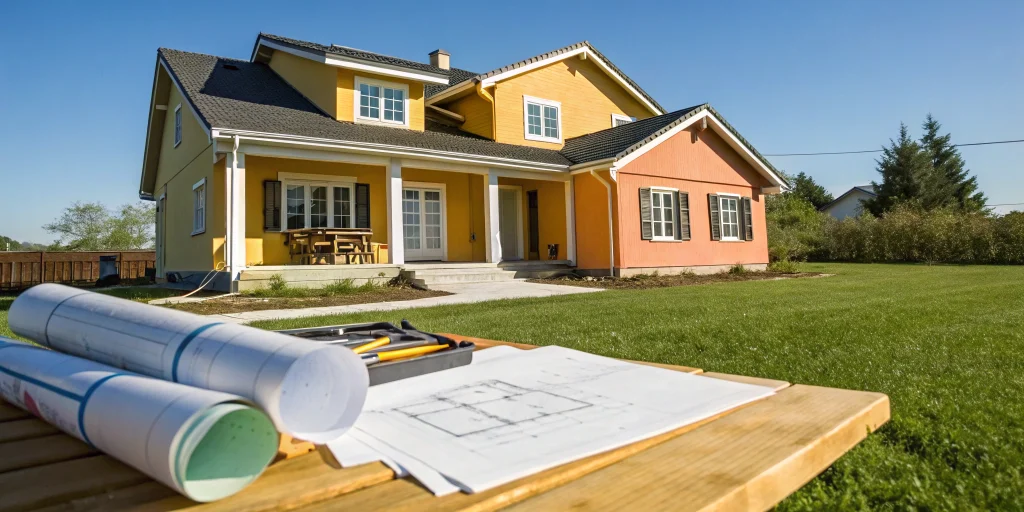
You found the perfect flip. Great bones, prime location… but it’s a complete wreck. You know a traditional lender will take one look at its current condition and say no. They see a liability, but you see potential. This is exactly why your financing needs to match your vision. Instead of focusing on a property’s past, ARV loans for flipping houses are built for its future. This type of financing allows you to secure funding for both the purchase and the renovation, all based on the home’s After Repair Value. It’s the capital you need to turn that wreck into a profitable reality.
Key Takeaways
- Finance Based on Future Potential: An ARV loan lets you borrow against the property’s after-repair value, meaning you can fund both the purchase and the renovation costs with a single loan.
- Your ARV Calculation is Your Foundation: The success of your flip depends on an accurate ARV. Use solid, recent comps and a detailed rehab budget to ensure your numbers are grounded in reality and protect your profit margin.
- Present a Professional Project Plan: Lenders evaluate the deal’s viability, not just your credit. A strong application with a detailed budget, timeline, and clear exit strategy shows you’re a prepared and reliable partner.
What is an ARV Loan and How Can It Fund Your Flip?
If you’ve ever found a promising property that was in rough shape, you know that traditional lenders can be hesitant to finance it. They focus on the home’s current, often low, value. An ARV loan, however, is a type of financing designed specifically for real estate investors who see potential where others see problems. It’s a short-term loan that allows you to purchase and renovate a property based on its After Repair Value (ARV)—the estimated value of the home after you’ve completed all the improvements.
This type of financing is a game-changer for house flippers. Instead of just funding the purchase, an ARV loan can often cover both the acquisition cost and the renovation budget. Lenders who offer these loans understand the fix-and-flip model. They’re more interested in the project’s viability and your plan to increase the property’s value than its current condition. These are often structured as bridge loans, providing the fast, flexible capital you need to acquire a property, complete the renovation, and sell it for a profit, all on a tight timeline.
First Things First: What is After Repair Value (ARV)?
ARV, or After Repair Value, is the cornerstone of any successful flip. It’s a professional estimate of what a property will be worth on the open market once you’ve finished all your planned renovations. Think of it as the future market value you’re working toward. Calculating the ARV is one of the most critical steps in your due diligence because it helps you make informed decisions. Knowing the ARV allows you to determine your maximum purchase price, create a realistic renovation budget, and project your potential profit margin. It’s the key metric that prevents you from overpaying for a property and ensures your project is financially sound from the start.
ARV Loans vs. Traditional Financing: What’s the Difference?
The biggest difference between an ARV loan and traditional financing lies in what the lender values. A conventional mortgage lender bases their loan amount on the property’s current appraisal value or the purchase price, whichever is lower. If a house is distressed or needs significant work, it often won’t qualify. In contrast, an ARV lender focuses on the property’s future potential. They see the “as-is” condition as irrelevant as long as your renovation plan and the projected ARV justify the loan. This approach, common with hard money loans, allows you to secure funding for projects that traditional banks would immediately reject, giving you a major advantage in a competitive market.
How to Accurately Calculate Your Project’s ARV
Calculating the After Repair Value is one of the most critical steps in planning a successful house flip. A precise ARV informs your purchase offer, your renovation budget, and your potential profit margin. Getting it right means you walk into a project with confidence; getting it wrong can turn a promising investment into a financial headache. Think of it as your project’s North Star—it guides every decision you make.
The basic formula is straightforward:
Current Property Value + Value of Renovations = After Repair Value (ARV)
While the math looks simple, the accuracy of your ARV depends entirely on the quality of your research and the realism of your estimates. Lenders, including those providing bridge loans for flips, will heavily scrutinize your ARV calculation to ensure the deal is sound. A well-supported ARV not only helps you secure financing but also sets a clear benchmark for your project’s success. It’s less about plugging numbers into a formula and more about building a solid, evidence-based case for the property’s future worth.
How to Find Solid Comps for Your Property
The best way to ground your ARV in reality is by finding comparable properties, or “comps.” These are recently sold homes in the immediate vicinity that are as similar as possible to your project property after you’ve completed the renovations. Look for houses in the same neighborhood that match your target property in size, number of bedrooms and bathrooms, age, and style. The key here is “recently sold”—aim for sales within the last three to six months to ensure the data reflects current market conditions. Analyzing what buyers are actually paying for updated homes in the area gives you a powerful baseline for your own ARV.
Use the Right Kind of Sales Data
When you’re pulling comps, it’s crucial to focus on the right kind of data. Don’t just look at active listings—an asking price is a wish, not a reality. Instead, concentrate on properties that have actually sold. The most reliable comps are homes that have closed within the last three to six months, as this data reflects what buyers are currently willing to pay. Look for properties that are truly comparable to your project post-renovation in terms of square footage, bed and bath count, lot size, and overall style. A lender evaluating your project for a fix-and-flip loan will want to see that your ARV is based on solid, recent sales, not speculation.
Always Visit the Property in Person
Online listings and virtual tours are great for initial research, but they are no substitute for an in-person visit. You need to walk through the property yourself to get a true sense of its condition and potential. Photos can easily hide major issues like a sloping floor, a musty smell indicating water damage, or cracks in the foundation. A personal visit also allows you to assess the neighborhood’s character—something you can’t get from a screen. Pay attention to the condition of neighboring homes, the street’s traffic flow, and the overall atmosphere. This firsthand knowledge is essential for a realistic property assessment and a sound investment decision.
Are You Making These ARV Calculation Mistakes?
It’s easy to get swept up in the excitement of a flip, but over-optimism can be costly. A common mistake is guessing how much value renovations will add instead of researching it. A high-end kitchen remodel might not yield a 100% return in every neighborhood. Always consider the current real estate market and avoid using comps that aren’t truly similar or were sold too long ago. An apples-to-apples comparison is non-negotiable. Being conservative and data-driven with your numbers will protect your profit margin and make your project much more attractive to lenders.
Over-Improving for the Neighborhood
It’s easy to get carried away with high-end finishes, but the most luxurious house on the block isn’t always the most profitable one. This is a classic mistake known as over-improving, and it happens when your renovation choices outpace what the local market will support. The “Value of Renovations” in your ARV formula isn’t determined by your receipts; it’s determined by what a buyer is willing to pay for those upgrades in that specific area. A common pitfall is guessing how much value renovations will add instead of researching what the market dictates. Before you splurge on premium materials, study your comps closely. Your goal is to meet or slightly exceed the neighborhood standard to attract top dollar, not to build a home that prices itself out of the market entirely.
Resources to Help You Nail Your ARV Calculation
While you can start with online real estate portals to pull initial comps, it’s wise to use more robust resources for your final calculation. For the most accurate estimate, hire a professional appraiser. They have access to the best data and can provide an unbiased valuation, which is often a requirement for securing a loan anyway. You can also use online ARV estimators as a starting point to get a quick sense of a property’s potential. For a deeper level of support, consider working with a firm that offers capital advisory services to help you vet your numbers and structure your deal for success.
Understanding the Limitations of ARV
While ARV is an essential tool, it’s important to remember that it’s an educated guess, not a guarantee. The real estate market can be unpredictable, and your calculation is a snapshot based on current data. It can’t predict future interest rate changes, new local regulations, or sudden shifts in neighborhood desirability. Another common pitfall is the risk of over-improving—pouring money into high-end finishes that the local market won’t support can quickly shrink your profit margins. Ultimately, the accuracy of your ARV depends entirely on the quality of your research. Treat it as a critical guide, but always build a contingency into your budget to account for the unexpected.
Why Use ARV Loans for Flipping Houses?
When you’re flipping a house, your financing can make or break the deal. While traditional loans have their place, they often fall short for fix-and-flip projects because they’re built on a different set of rules. They look at a property’s current, often distressed, value and a borrower’s personal income, which doesn’t always fit the fast-paced investor model. ARV loans, on the other hand, are designed specifically for this world. They offer a unique set of advantages that align perfectly with an investor’s need for speed, flexibility, and capital.
Instead of focusing on what a property is, an ARV loan focuses on what it will be, and that shift in perspective changes everything. It allows you to secure funding based on your vision and the value you plan to create, giving you a powerful tool to grow your real estate portfolio. This approach is why so many successful flippers rely on this type of financing to scale their business and take on more profitable projects. It’s about partnering with a lender who understands your business plan and is willing to fund the potential you see in a property, not just its history.
Secure Funding Based on Potential, Not Just Price
The single biggest advantage of an ARV loan is that it’s based on the property’s future value after renovations. Traditional lenders base their loan amount on the current, often distressed, purchase price, which can leave you short on funds for the actual renovation. With an ARV loan, the lender calculates the loan amount as a percentage of the projected after repair value. This means you can often finance a significant portion of both the purchase price and the renovation costs with a single loan. This approach gives you access to more capital, allowing you to take on more ambitious projects or simply keep more of your own cash free for the next opportunity.
Close Deals Faster with Flexible Terms
In a competitive real estate market, speed is your secret weapon. Cash buyers often have the upper hand because they can close quickly, but an ARV loan helps you level the playing field. Lenders who specialize in these loans, like Asteris Lending, have a streamlined process designed for investors. Forget the month-long waits and endless paperwork of traditional mortgages. With the right lender, you can often get approved and close the deal in a matter of days, not weeks. This speed allows you to confidently make strong offers on properties, knowing your financing won’t be the reason a great deal slips through your fingers.
Compete with All-Cash Buyers
Cash offers are tough to beat because they promise a fast, hassle-free closing for the seller. But you don’t need a suitcase full of cash to make a compelling offer. An ARV loan gives you the power to act with similar speed and certainty. Because these loans are designed for investors, the underwriting process is much faster than a traditional mortgage. Lenders who specialize in financing like bridge loans understand that time is money in the flipping business. They focus on the deal’s potential, not a mountain of personal paperwork, allowing you to close in a fraction of the time. This speed lets you write offers with short closing dates and minimal financing contingencies, making your bid nearly as attractive as an all-cash deal.
Fund the “Unfundable” Properties Banks Won’t Touch
Have you ever found a diamond-in-the-rough property, only to be told by a conventional bank that it’s “unfinanceable”? Traditional lenders are wary of properties with significant issues like a missing kitchen, a leaky roof, or foundation problems. For them, it’s a liability. For an ARV lender, it’s an opportunity. These lenders understand the fix-and-flip model. They aren’t scared off by a property’s current condition because they are underwriting the loan based on its future potential. This means you can confidently pursue properties that need substantial work—the very ones that often hold the most profit potential—without worrying about securing the necessary bridge loans to bring your vision to life.
What Are the Downsides of ARV Financing?
ARV loans are an incredible tool for scaling a real estate portfolio, but they aren’t without risks. Because they’re based on a property’s future potential, they introduce variables that don’t exist with traditional financing. Understanding these potential pitfalls is the first step to avoiding them and ensuring your flip project stays profitable. While the promise of funding a deal based on its after-repair value is compelling, going in with a clear-eyed view of the challenges will ultimately make you a more successful investor. It’s about balancing the opportunity with a solid, risk-aware strategy.
The main challenges stem from the very nature of fix-and-flip projects: they are speculative and fast-paced. Lenders who offer ARV financing are taking on more risk than a traditional bank that’s just looking at your credit score and the home’s current value. This higher risk for the lender translates into specific risks for you, the borrower. We’ll look at the three biggest ones: the higher costs associated with this type of financing, the critical danger of an inaccurate valuation, and the common project management issues that can derail your timeline and budget. Getting a handle on these areas will help you protect your profits and build a sustainable flipping business.
The Trade-Off: Higher Rates and Fees
Because ARV loans are based on potential value and are typically short-term, lenders view them as higher risk than a standard mortgage. This increased risk is reflected in the cost. You can expect higher interest rates and origination fees compared to conventional financing. Think of it as paying a premium for speed and flexibility. These loans, often structured as bridge loans, can close in days, not months, which is a huge advantage in a competitive market. However, those costs can eat into your profit margins if you don’t account for them carefully in your initial budget.
What Happens if You Overestimate the ARV?
Your entire loan amount hinges on one key number: the After Repair Value. If your ARV calculation is overly optimistic, you’re setting yourself up for trouble. Lenders focus almost exclusively on the ARV to justify the loan, as the property’s “as-is” condition is often irrelevant. An inflated ARV can lead you to borrow too much, over-improve the property, or pay too much for it in the first place. When the project is complete and the actual market value is lower than you projected, your profit margin shrinks or disappears. A conservative, well-researched ARV based on solid, recent comps is your best defense against this risk.
The Risk of Renovation Delays and Cost Overruns
Every renovation project has the potential for surprises, from hidden structural issues to contractor delays. With an ARV loan, these problems are magnified because your financing is short-term and your profit is based on a fixed budget. Every unexpected cost and every week of delay directly reduces your net profit. This is why lenders want to see a detailed rehab budget and timeline before approving a loan. A solid plan shows you’ve done your homework. Smart investors build a healthy contingency fund—often 10-20% of the total rehab budget—to cover these unforeseen expenses and protect their bottom line.
Don’t Forget Broader Market Risks
Beyond the risks you can control, like your budget and timeline, there are broader market forces at play. The housing market can change quickly, and the conditions that made a property look like a great deal when you bought it might not be the same when you’re ready to sell. Your ARV is based on past comps, but your sale happens in the future. A sudden rise in interest rates or a shift in local demand can lower your final sale price, impacting your profit. This is why a conservative, accurate ARV is so vital—it provides a buffer against minor fluctuations. Smart investors also mitigate this risk by having multiple exit strategies. If the market softens, could you refinance into a long-term rental loan? Planning for this possibility with a lender who offers diverse products like rental property financing gives you flexibility and protects your investment.
What Lenders Look For: Qualifying for an ARV Loan
Getting approved for an ARV loan is a different ballgame than qualifying for a conventional mortgage on your personal home. Lenders who specialize in this type of financing are less concerned with your W-2 income and more focused on the viability of your investment project and your ability to execute it successfully. They are essentially your business partners for the duration of the flip.
To get a “yes” from a lender, you need to demonstrate strength in three key areas. First, they’ll look at your personal financial standing to ensure you’re a reliable borrower. Second, they’ll want to see that you have your own capital invested in the deal, often called “skin in the game.” Finally, and most importantly, they will scrutinize the property and your renovation plan to confirm that the numbers add up and the project has a high probability of success. Think of it as presenting a business plan for your flip—the stronger your case, the better your chances of securing the funds you need.
What Credit Score Do You Need?
Lenders will look at your credit score and financial history to gauge your track record with managing debt. While requirements vary, a minimum credit score of 640 is a common benchmark in the world of hard money and bridge loans. A higher score signals to lenders that you have a history of financial responsibility, which reduces their risk. Beyond just the score, a clean financial history without recent bankruptcies or foreclosures will strengthen your application. While your credit is an important piece of the puzzle, remember that ARV lenders place significant weight on the potential of the property itself, so a less-than-perfect score isn’t always a deal-breaker if the project is solid.
How Much Cash Do You Need for a Down Payment?
When you apply for an ARV loan, expect to contribute a significant down payment. Lenders typically require investors to put down between 20% and 30% of the property’s purchase price. This contribution shows that you are financially committed to the project’s success and are sharing in the risk. In addition to the down payment, lenders want to see that you have cash reserves on hand. These funds act as a safety net to cover unexpected renovation costs, holding expenses, or other surprises that can pop up during a flip. Having this financial cushion proves that you are a well-prepared investor who can handle challenges without jeopardizing the project.
Does Your Flip Project Qualify?
Your personal finances are only half the story; the property and your plan for it are just as critical. Lenders need to be confident that the after-repair value you’ve projected is realistic and achievable. To make your case, you’ll need to present a professional investment proposal. This should include a list of comparable sales (comps) to justify your ARV, a detailed scope of work with a line-item rehab budget, and a clear project timeline. Providing this comprehensive plan shows the lender you’ve done your homework and understand the project’s potential profitability. Working with a firm that offers capital advisory services can help you prepare a compelling proposal that gets your project funded.
Ready to Apply? Here’s How to Get an ARV Loan
Once you’ve confirmed you meet the general qualifications, the next step is to build a compelling loan application. Lenders who specialize in ARV financing are looking for more than just a good credit score; they’re evaluating the viability of your entire project. A strong application tells a clear and convincing story about your property’s potential and your ability to execute the renovation.
Get Your Paperwork and Investment Plan in Order
When you apply for an ARV loan, you’re essentially pitching a business plan. Lenders need to see that you’ve done your homework and have a clear path to profitability. To present a professional investment proposal, you’ll need to gather a few key documents that paint a full picture of your project.
Your package should include:
- Comparable Sales: A list of recently sold properties in the area that justify your estimated After Repair Value.
- Rehab Budget: A detailed, line-by-line breakdown of all anticipated renovation costs, from materials to labor.
- Project Timeline: A realistic schedule outlining each phase of the renovation, from demolition to final listing.
- Property Photos: Clear images of the property in its current state to help the lender visualize its potential.
Don’t Get Denied: Avoid These Application Errors
One of the quickest ways to get your application denied is by presenting unrealistic projections. While it’s tempting to inflate the ARV or downplay renovation costs to make the deal look better, experienced lenders will see right through it. The key is to be conservative and transparent in your projections.
Conduct thorough due diligence and aim to under-promise while over-delivering. This approach builds credibility and shows the lender you’re prepared for the unexpected challenges that often come with a renovation. A well-researched, realistic plan demonstrates that you’re a reliable partner, which is exactly what lenders are looking for.
Why You Should Partner with a Specialized Lender
Maximizing your returns on a fix-and-flip project often comes down to your financing. Instead of trying to fit your project into the rigid box of a traditional mortgage, it’s better to work with a lender that specializes in real estate investment. We understand the unique timelines and funding structures that flippers need.
A specialized lender can provide tailored solutions that align with your investment strategy. For example, our bridge loans are designed specifically for short-term projects like house flips, offering the speed and flexibility required to secure a property and start renovations quickly. Partnering with an expert gives you a significant advantage and helps set your project up for success.
Understanding the Lingo: Common ARV Loan Terms
When you start talking to lenders about financing your flip, you’ll hear a lot of specific terms and acronyms. Getting comfortable with this language is the first step to securing the right funding. Understanding these key concepts will help you evaluate loan offers, calculate your potential costs, and present your project with confidence. Think of it as learning the fundamentals before you step onto the field—it prepares you to make smarter plays and avoid costly surprises down the road.
What is a Loan-to-ARV (LTARV) Ratio?
The loan-to-after-repair-value, or LTARV, is one of the most important metrics in flip financing. It represents the percentage of the property’s future value that a lender is willing to finance. For example, many lenders will fund up to 75% of the ARV. This loan amount is meant to cover both the purchase price and the renovation costs. This means you’ll need to have your own capital to cover the remaining 25% of the total project cost. Knowing the lender’s LTARV helps you budget accurately and determine how much cash you need to bring to the closing table for your fix-and-flip project.
How High Can Leverage Go?
When it comes to leverage, many ARV lenders are willing to finance up to 75% of the property’s After Repair Value. This is a powerful tool because it means a single loan can cover a significant portion of both the purchase price and your entire renovation budget. This high leverage allows you to take on more ambitious projects without tying up all your personal capital in one deal. Instead of draining your cash reserves, you can keep more funds available for your next opportunity, which is essential for growing your real estate portfolio. This is a common feature of the bridge loans designed specifically for fix-and-flip investors, giving you the financial power to scale your business more quickly and efficiently.
How Are Interest and Payments Handled?
ARV loans, which are often structured as hard money or bridge loans, typically have higher interest rates than conventional mortgages. This isn’t a red flag; it’s a reflection of the loan’s purpose. These are short-term loans designed for speed and flexibility, often funding in just a week or two. The higher rate compensates the lender for taking on the risk of a property under renovation. When evaluating offers, look at the interest rate as part of the total cost of borrowing. Understanding this helps you accurately project your holding costs and ensure your flip remains profitable.
How Renovation Funds Are Disbursed: The Draw System
When you secure an ARV loan, the renovation funds aren’t handed over in one lump sum. Instead, lenders use a staged funding process called a draw system to disburse the money. Here’s how it works: your renovation budget is broken down into specific milestones, like demolition, framing, or plumbing. You complete the work for a milestone using your own capital first. Then, you submit a “draw request” to the lender, who will typically send an inspector to verify the work is complete. Once approved, the lender reimburses you for that completed stage. This system protects everyone involved by ensuring the loan funds are directly increasing the property’s value. It also helps you manage costs, as you only pay interest on the renovation funds after they’ve been drawn, which is a key feature of investor-focused bridge loans.
How Long Do You Have to Repay the Loan?
Because ARV loans are short-term, you need a clear plan for paying them back. This is your exit strategy. Most investors have one of two exits in mind: selling the property for a profit or refinancing into a long-term loan to hold it as a rental. Lenders will want to see that you’ve thought this through. Presenting a well-defined plan, complete with a budget, timeline, and a target return on investment (ROI) of at least 15-20%, shows that you’re prepared. Whether you plan to sell or convert the property to a rental with long-term financing, your exit strategy is the key to a successful project.
Typical Loan Term Lengths
ARV loans are not your 30-year fixed-rate mortgage. They are built for speed and a quick turnaround, so the loan terms reflect that. Typically, you’ll find these loans have terms ranging from six to 18 months, with 12 months being a common standard. This timeframe is designed to give you enough runway to purchase the property, complete the renovations, and execute your exit strategy—either selling the home or refinancing it. The entire point of a bridge loan is to provide temporary capital, so the shorter term aligns perfectly with the goal of a fix-and-flip project: to maximize profit in a condensed period.
Not All ARV Loans Are Equal: How to Compare Offers
Once you have a few ARV loan offers in hand, it’s time to look closer. Comparing them effectively goes beyond just finding the lowest interest rate. The best loan for your project is the one that aligns with your timeline, budget, and overall strategy. Think of it as a complete package—you need to evaluate the speed of funding, the total cost, and the flexibility of the loan terms. A seemingly great offer on paper might have slow processing times that could cost you the deal, or hidden fees that eat into your profits. Let’s break down the three key areas you need to compare to find the right financing partner for your next flip.
How Fast Can You Get the Money?
In the world of house flipping, speed is your competitive edge. A great deal won’t wait around while you’re stuck in a lengthy loan approval process. When you’re comparing lenders, ask them directly about their average time to close. Some lenders, especially those specializing in investor financing, can provide funding in as little as 7-10 days. This rapid turnaround is essential in competitive markets where you need to act fast. A slow lender can be the difference between securing a profitable project and losing it to another investor. Look for a streamlined approval process and a lender who understands the urgency of real estate investment deals, like those offering fast-closing bridge loans.
Compare the True Cost: Interest Rates and Fees
The interest rate is a major factor, but it’s only one piece of the cost puzzle. To understand the true cost of a loan, you need to look at the Annual Percentage Rate (APR), which includes not just the interest but also various fees. Ask each lender for a complete breakdown of their costs, including origination points, appraisal fees, processing fees, and any other charges. These fees can significantly impact your bottom line, and a loan with a lower interest rate but high fees might end up being more expensive. Getting a clear picture of all costs allows you to accurately calculate your potential profit margin and make a true apples-to-apples comparison between different offers. This is a key part of the capital advisory process.
Check for Prepayment Penalties
A prepayment penalty is a fee some lenders charge if you pay off your loan ahead of schedule. For a house flipper, this is a critical detail to watch for. Your entire business model is built on selling the property as soon as the renovations are complete, which means paying off the loan early is the goal, not the exception. A loan with a prepayment penalty works directly against your strategy and can take a significant bite out of your profits. Thankfully, many lenders who specialize in fix-and-flip financing understand this and structure their loans without these penalties. Always make it a point to ask about them upfront so you can protect your bottom line from unexpected costs.
How Much Can You Actually Borrow?
Understanding a lender’s loan ratios is critical for managing your cash flow. The most important metric for an ARV loan is the loan-to-ARV (LTARV) ratio. For example, a lender offering 75% of ARV will provide a loan for up to 75% of the property’s projected future value, covering both purchase and rehab costs. A higher LTARV means you’ll need to bring less of your own cash to the closing table. Compare the LTARV and any loan-to-cost (LTC) limits across different offers. A lender who provides more generous funding, even at a slightly higher rate, might be the better partner for preserving your capital for other investments or unexpected project costs. This is especially true for larger projects like new construction.
What if an ARV Loan Isn’t the Right Fit?
While ARV loans are a powerful tool, they aren’t the only way to fund your next flip. Understanding the full landscape of financing options helps you choose the perfect fit for your project’s timeline, budget, and specific needs. Depending on the property’s condition and how quickly you need to close, a different type of loan might be a better match. Let’s look at a few common alternatives.
When to Use a Bridge or Hard Money Loan
Often used interchangeably in the real estate world, bridge loans and hard money loans are short-term financing solutions perfect for house flippers. Unlike traditional mortgages, these loans are secured by the property itself, with lenders focusing more on the asset’s after-repair value than your personal income. This makes them ideal for properties that need too much work to qualify for conventional financing. The biggest advantage is speed. While a bank can take weeks or months to approve a loan, a private lender can often provide bridge loans in a matter of days, giving you the competitive edge you need to snatch up a great deal before someone else does.
Could a Traditional Renovation Loan Work?
On the other end of the spectrum are traditional renovation loans, like the FHA 203(k) or Fannie Mae HomeStyle loan. These government-backed options allow you to roll the purchase price and renovation costs into a single, long-term mortgage. While they can offer lower interest rates, they come with significant drawbacks for investors. The application process is slow and paperwork-heavy, with strict guidelines on the contractors you can hire and the types of repairs you can make. Many of these loans also have owner-occupancy requirements, making them unsuitable for professional flippers. For investors who prioritize speed and flexibility, these loans often create more hurdles than they’re worth.
Using Your Home’s Equity: HELOCs and Home Equity Loans
If you’re a homeowner, you might be sitting on a powerful source of funding for your next flip: your home’s equity. A home equity loan or a Home Equity Line of Credit (HELOC) lets you borrow against the value you’ve built up in your primary residence. A home equity loan gives you a lump sum of cash upfront, while a HELOC works more like a credit card, giving you a revolving line of credit you can draw from as needed. For an investor, this can be a strategic way to access cash for a down payment or to cover renovation costs without taking out a separate loan for those specific expenses.
Tapping into Your Mortgage: Cash-Out Refinancing
Another popular method for leveraging your existing property is a cash-out refinance. This strategy involves replacing your current mortgage with a new, larger one and taking the difference in cash. This can be a smart move if you have a lot of equity built up and can lock in a good interest rate on the new loan. The cash you pull out is yours to use for anything, including purchasing and renovating an investment property. It’s a way to turn your home’s value into working capital, but remember that it does restructure the loan on your personal residence, making it a significant financial decision.
How to Choose the Right Financing for Your Flip
The best financing choice depends entirely on your project and your goals. If you need to move fast and the property requires a major overhaul, a bridge loan is likely your best bet. If you have a longer timeline and the property is in decent shape, a traditional loan might work. To make the right decision and present yourself as a credible borrower, you need a solid plan. Lenders want to see that you’ve done your homework. Prepare a professional investment proposal that includes comparable sales to justify your ARV, a detailed renovation budget, and a clear project timeline. Having this ready shows you’re serious and helps lenders trust in your project’s success, which is where expert capital advisory can make all the difference.
Position Your Flip for Maximum Profit
Securing an ARV loan is a huge step, but it’s just the beginning. The real work lies in executing your project efficiently to turn a profit. A successful flip doesn’t happen by accident; it’s the result of meticulous planning, smart budgeting, and a clear vision from start to finish. By focusing on these core areas, you can manage risks and keep your project on track. Let’s walk through the essential steps to prepare your project for success before the first wall ever comes down.
Create a Bulletproof Budget and Contingency Fund
Your budget is the backbone of your project. Start by getting detailed quotes from several contractors to accurately calculate repair costs, including all materials and labor. Once you have your After Repair Value (ARV) and a clear picture of expenses, you can estimate your potential net profit. Many experienced investors aim for a return on investment (ROI) of at least 15-20% to grow their business. Always build a contingency fund—typically 10-15% of your repair budget—to cover unexpected issues. This financial cushion is crucial for keeping your project moving forward without derailing your finances.
Factor in All Holding Costs
Your renovation budget is critical, but it’s only one piece of the financial puzzle. Don’t forget to account for holding costs—the ongoing expenses you’ll pay from the day you close until the day you sell. These often-overlooked costs can quietly eat away at your profit margin if you don’t plan for them. Think about property taxes, insurance, utilities like electricity and water, and any HOA fees. Most importantly, factor in the interest payments on your bridge loan. These expenses add up every single month, which is why sticking to your project timeline is so important. Every delay means another month of holding costs chipping away at your bottom line.
Get Multiple Quotes for Repairs
Guessing your renovation costs is one of the fastest ways to lose money on a flip. To build a reliable budget, you need to get detailed, written estimates from at least three qualified contractors. Don’t just ask for a total number; request a full scope of work that breaks down the costs for labor and materials for each part of the project. This level of detail not only gives you an accurate budget but also helps you compare bids effectively. A thorough plan demonstrates to lenders that you’re a serious investor who has done their due diligence. It shows you’ve moved beyond guesswork and are making decisions based on solid, real-world numbers.
Do Your Homework: Market Research and Timing
Thorough market research is non-negotiable. Before you apply for a bridge loan, you need to understand the local real estate landscape. A professional investment proposal will make you stand out to lenders. Include comparable sales (comps) to justify your ARV, a detailed rehab budget, and a clear project timeline. Being conservative and realistic with your numbers shows you’ve done your due diligence. This approach helps you make smarter investment decisions and builds credibility with lenders, proving you’re a reliable partner.
Plan Your Exit Strategy Before You Even Start
How you plan to sell the property is just as important as how you plan to renovate it. Your exit strategy should be in place before you even close on the purchase. Flipping houses always comes with risks, from market shifts to unforeseen repair issues, and a solid plan helps you prepare. Will you list with an agent or sell it yourself? What’s your target sale price, and what’s the lowest you can go while still making a profit? Answering these questions from day one provides a clear path, helps you make informed decisions, and ensures you’re always working toward a profitable exit.
Follow Key Investor Rules to Guide Your Offer
Once you have a solid ARV and a detailed renovation budget, you can craft a smart offer. Instead of guessing, successful investors use established guidelines to ensure their purchase price leaves enough room for profit. These rules act as a financial guardrail, preventing you from getting caught up in the excitement of a deal and overpaying. They ground your offer in data and a clear-eyed view of the project’s total costs, from purchase to resale. Using a time-tested formula helps you stay disciplined and ensures that every property you pursue has a realistic path to profitability, which is exactly what lenders want to see.
The 70% Rule Explained
One of the most common guidelines for house flippers is the 70% Rule. This principle states that you should pay no more than 70% of the property’s After Repair Value (ARV), minus the cost of the necessary repairs. The remaining 30% is a crucial buffer designed to cover your holding costs, closing fees, and, most importantly, your profit margin. For example, if a home’s ARV is $300,000 and it needs $40,000 in renovations, your maximum offer would be $170,000 ($300,000 x 70% = $210,000, then $210,000 – $40,000 = $170,000). Adhering to this rule helps you calculate a purchase price that protects your potential return from the very beginning.
What to Do if the Property Has Tenants
Finding a great investment property that already has tenants can be a mixed blessing. Before you make an offer, your first step is to conduct thorough due diligence on the existing lease agreements. You need to understand the terms, including the lease duration, rent amount, and any specific clauses. A month-to-month lease offers more flexibility than a long-term lease, which may require you to honor the agreement until it expires or negotiate a buyout with the tenant. It’s also critical to factor in potential costs like lost rent during the transition, repairs, and cleaning. Open and respectful communication with the tenants about your intentions can make the process smoother for everyone involved.
Related Articles
- How to Get a Fix and Flip Loan: The Ultimate Guide
- Fix and Flip & Bridge Loans for Investors
- Fix and Flip Loan Requirements: A Simple Guide
- Hard Money Loans for Flipping Houses: The Ultimate Guide
Frequently Asked Questions
What’s the difference between an ARV loan and a hard money loan? This is a great question because the terms are often used together. Think of “ARV loan” as describing what the loan is based on—the After Repair Value. “Hard money loan” or “bridge loan” describes how the loan is structured—as short-term financing from a private lender. Most ARV loans are a type of hard money or bridge loan because these lenders specialize in asset-based financing and can move quickly, which is exactly what you need for a flip.
How much cash will I really need to get started on a flip? While an ARV loan can cover a large portion of the purchase and renovation, you will definitely need your own cash to close the deal. Most lenders require a down payment, typically 20-30% of the purchase price. On top of that, you’ll need cash reserves to cover closing costs, holding costs like insurance and taxes, and a contingency fund for any unexpected repairs. Having this capital shows lenders you are a serious investor who is prepared for the realities of a renovation project.
What happens if my renovation costs more or takes longer than I planned? This is one of the biggest risks in flipping, which is why a contingency fund is so important. If you find yourself going over budget or past your timeline, the first step is to communicate with your lender immediately. Lenders who specialize in investor financing understand that surprises happen. They may be able to offer solutions, but having that extra 10-20% of your rehab budget set aside in a contingency fund is your best line of defense to handle issues without derailing the entire project.
Can I use an ARV loan if I plan to keep the property as a rental? Yes, absolutely. This is a popular strategy known as the BRRRR method (Buy, Rehab, Rent, Refinance, Repeat). You can use a short-term ARV loan to purchase and renovate the property. Once the work is done and you have a tenant in place, you then refinance the short-term loan into a long-term, traditional mortgage for a rental property. This allows you to pull your initial investment back out and use it for your next deal.
How do lenders verify my ARV calculation? While your own research on comparable properties is the starting point, a lender won’t just take your word for it. To protect their investment, they will almost always require an independent, third-party appraisal. The appraiser will assess your renovation plan and the local market to provide their own professional opinion of the property’s After Repair Value. This is why it’s so important for your own calculations to be realistic and based on solid data from the start.
