

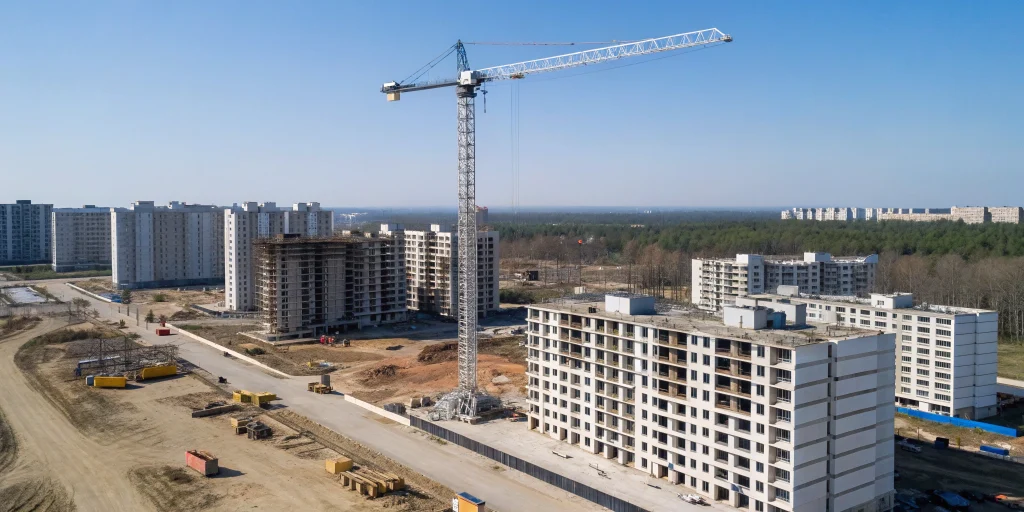
A multi-unit project isn’t a single transaction; it’s a journey with distinct financial stages. The lender who funds your land acquisition is probably not the same one you’ll use for construction, and they’re definitely different from your long-term financing partner. The key is to stop searching for one “best” lender and start matching the right lender to each phase. The best multi-unit lenders are specialists who focus on specific parts of the development lifecycle. This guide will show you how to build your financial team, ensuring you have the perfect capital partner for every step.
Key Takeaways
- Evaluate the entire loan package, not just the interest rate: A low rate can be misleading if it comes with inflexible terms or high closing costs. A true financial partner is transparent about the total cost and offers a structure that aligns with your project’s timeline and goals.
- Align your project type with a lender’s specialization: A lender who excels at new construction may not be the best fit for a simple rental acquisition. Partner with a specialist who understands the unique risks and requirements of your specific deal to ensure a smoother, faster process.
- Seek a strategic partner, not just a capital provider: The best lenders offer more than money; they provide market expertise, creative solutions, and a streamlined process. Building a long-term relationship with a lender who understands your portfolio is key to sustainable growth.
What Makes a Great Multi-Unit Development Lender?
Choosing a lender for your multi-unit development project is one of the most critical decisions you’ll make. It’s about more than just securing a low interest rate; it’s about finding a strategic partner who understands your vision and has the tools to help you achieve it. The right lender acts as a key player on your team, providing not just capital, but also expertise and support throughout the project lifecycle. As you evaluate your options, focus on partners who demonstrate a genuine commitment to your success.
Here are the essential qualities to look for:
Deep specialization in real estate investment. A general bank might handle a simple mortgage, but multi-unit development requires a lender with specific experience. Look for a team that understands the complexities of everything from a duplex renovation to a ground-up apartment building. They should be fluent in the language of real estate investment and have a track record of funding projects similar to yours. This expertise means they understand local market dynamics and can anticipate challenges, structuring financing that truly fits your needs, whether it’s for new construction or stabilizing a rental portfolio.
Flexible and creative financing solutions. Real estate deals are rarely one-size-fits-all. A great lender doesn’t force your project into a pre-made box. Instead, they work with you to tailor a loan that aligns with your business plan and timeline. This could mean offering interest-only periods, structuring creative draw schedules, or providing access to different types of capital as the project evolves. A lender who also offers capital advisory services is often a sign that they are equipped to think outside the box.
Speed, reliability, and a simple process. In real estate, timing is everything. Opportunities can disappear if your financing is slow to come through. The best lenders have streamlined approval processes and are known for their reliability. They communicate clearly, set realistic expectations, and can close deals efficiently. This is especially crucial for time-sensitive acquisitions where you might need to secure a bridge loan quickly to seize an opportunity before it’s gone. Ask potential lenders about their typical closing times and what they do to keep the process moving forward.
Our Top Picks: The Best Multi-Unit Lenders for Every Loan Type
Finding the right lender for your multi-unit development isn’t a one-size-fits-all process. The best partner for your project often depends on the specific type of financing you need. A lender that excels at short-term bridge loans might not be the ideal choice for a long-term conventional mortgage. Understanding the different loan types and the lenders who specialize in them is the first step toward building a successful financing strategy. Let’s break down some of the most common options and who to turn to for each.
Best Overall: Asteris Lending
When your project requires a flexible and strategic approach, you need more than just a lender; you need a capital partner. As a direct lender, Asteris Lending provides tailored and scalable financing for a wide range of real estate investors and developers. We specialize in finding creative solutions where traditional banks might see roadblocks. Whether you’re breaking ground on a new build, need a short-term bridge loan to acquire a property quickly, or are looking to finance a portfolio of rental properties, we have the expertise and diverse product suite to support your goals from start to finish.
Best for Conventional Loans
Conventional loans are what most people think of when they hear “mortgage.” These are typically offered by traditional banks and credit unions. To secure one for a multi-unit development, you’ll need a strong business plan that clearly shows the project’s profitability. Lenders will want to see detailed financial projections, market analysis, and a solid track record. While they can offer competitive rates, the approval process can be lengthy and rigid, often requiring a significant amount of paperwork and a nearly perfect borrower profile. This is a great route for established developers with straightforward projects.
Arbor Realty Trust
If you’re working on a smaller deal and want the stability of an agency loan, Arbor Realty Trust is a fantastic option. They have a strong focus on Fannie Mae and Freddie Mac’s small loan programs, making them particularly well-suited for investors who aren’t operating at an institutional scale just yet. What sets them apart is their emphasis on personal service. Instead of feeling like just another number in a massive system, you get a more hands-on experience, which can be invaluable when you’re trying to get a deal across the finish line. This approach makes them a go-to for investors who value relationships and guidance.
KeyBank
For investors who appreciate having a wide array of options under one roof, KeyBank is a major player in the multifamily lending space. They offer many types of loans for apartment owners, giving them the flexibility to finance a variety of projects. Their offerings include products from Fannie Mae and Freddie Mac, as well as FHA/HUD loans, which are great for long-term, stable financing. As a large, established bank, they have the resources and experience to handle complex deals, making them a reliable choice for developers looking for conventional or government-backed financing from a single, reputable source.
CBRE
While you might know CBRE for its brokerage and property management services, its capital markets division is a powerhouse in the lending world. They are a significant source for multifamily loans, with a deep understanding of the market dynamics that drive successful apartment projects. In fact, about 55% of their loan volume in 2023 was dedicated to apartment buildings, which speaks to their expertise and commitment to the sector. For investors who need a lender with a comprehensive view of the entire real estate ecosystem, CBRE’s integrated platform offers a distinct advantage.
Wells Fargo
As one of the largest banks in the country, Wells Fargo offers a broad spectrum of financial services, and multifamily lending is a key part of their portfolio. For investors who already have a relationship with the bank or prefer the stability and scale of a major financial institution, Wells Fargo is a solid and dependable choice. They have the capacity to handle large, complex transactions and can provide the certainty that comes with working with a household name. Their extensive resources make them a convenient and powerful partner for developers financing significant multi-unit projects.
Best for HUD/FHA Financing
If you’re looking for long-term stability, government-insured loans are an excellent option. HUD multifamily loans, backed by the Federal Housing Administration, offer some of the best terms available, including fixed interest rates and loan terms that can exceed 40 years. These benefits make them highly sought after for affordable housing projects or stabilized properties. The major trade-off is time. The application and approval process for HUD financing is notoriously slow and complex, often taking more than six months to complete. Lenders specializing in these loans are experts in handling the extensive government requirements.
Greystone
Greystone has established itself as a powerhouse in the multifamily lending space, particularly with government-backed loans. They are a leading lender for HUD multifamily loans and also handle a significant volume of Fannie Mae and Freddie Mac deals. What sets them apart is their reputation for developing creative financing solutions, especially for apartment complexes and healthcare facilities. If your project fits within these niches and you’re aiming for the stability of a government-insured loan, Greystone is a top-tier choice with a proven track record of getting complex deals across the finish line.
Berkadia
Berkadia is another major player known for its high loan volumes across multiple government-sponsored platforms, including Fannie Mae, Freddie Mac, and HUD. Their strength lies in their versatility and ability to provide a wide array of financial solutions for commercial real estate. This makes them a reliable and flexible partner for various multifamily projects, from straightforward acquisitions to more complex developments. Investors who value having a lender with broad capabilities and deep relationships with government agencies will find Berkadia to be a strong and dependable option for securing financing.
Walker & Dunlop
Walker & Dunlop consistently ranks as a top lender, especially with Fannie Mae, where they have demonstrated impressive loan volumes. Their success is built on a foundation of deep industry knowledge and a commitment to creating custom financing options that are precisely tailored to each project’s needs. For developers and investors in the multifamily sector, this expertise is invaluable. They don’t just offer a loan; they provide a strategic financial partnership designed to support your project’s specific goals, making them a go-to choice for those seeking a more personalized approach to agency financing.
Understanding Government-Sponsored Loan Programs
Government-sponsored loan programs, primarily from agencies like the Federal Housing Administration (HUD) and Fannie Mae, are designed to provide stable and reliable financing for multifamily properties. These programs are a cornerstone of the housing market because they often offer favorable terms that are hard to find elsewhere, such as long repayment periods and competitive interest rates. The main goal is to support the availability of safe and affordable housing. While the application process can be rigorous, the long-term benefits make these loans an attractive option for investors focused on building and maintaining rental housing.
HUD 223(f) for Purchase or Refinance
The HUD 223(f) loan program is a popular choice for investors who are looking to either purchase or refinance an existing multifamily property that doesn’t require substantial renovation. Its main appeal lies in its long-term stability. This program offers loan terms up to 35 years with fixed interest rates, which can provide predictable cash flow and protect you from market volatility. It’s an excellent tool for investors who want to secure a property for the long haul and stabilize their investment with predictable, manageable debt service for decades to come.
HUD 221(d)(4) for New Construction
For developers embarking on a new construction project or a major rehabilitation, the HUD 221(d)(4) loan program is one of the best financing tools available. This program is specifically tailored for these intensive projects, offering a single loan that covers both the construction phase and the permanent financing. With incredibly long terms that can extend over 40 years, it provides developers with the long-term financial stability needed to see a project through from groundbreaking to full occupancy. This makes it an ideal solution for building new housing from the ground up.
HUD 223(a)(7) for Refinancing Existing HUD Loans
If you already have a HUD-insured loan on your property, the HUD 223(a)(7) program offers a streamlined path to refinancing. This program is designed to be faster and less expensive than a traditional refinance, making it an efficient way to lower your interest rate, extend your amortization period, or fund minor repairs. Because the property has already been approved for a HUD loan, the underwriting process is simplified. This program is a valuable tool for property owners looking to
Best for New Construction and Development
Building from the ground up requires a specific type of financing that understands the development lifecycle. New construction loans are designed to fund a project from land acquisition through completion. Instead of a lump sum, the money is typically disbursed in stages, or “draws,” as construction milestones are met. This structure protects both the lender and the developer. Lenders who specialize in construction financing have the expertise to evaluate project plans, budgets, and timelines to ensure the development stays on track and is funded appropriately at every phase.
Best for Bridge Loans
Sometimes you need a short-term, flexible solution to seize an opportunity or bridge a gap in funding. That’s where bridge loans come in. These are temporary loans, usually for one to two years, that provide immediate capital. You might use a bridge loan to purchase land while you finalize construction plans, start a project before your permanent financing is in place, or cover unexpected costs to finish a build. Lenders like Asteris Lending excel at providing these fast, creative financing solutions to keep your project moving forward without delay.
Exploring Alternative Financing Options
Beyond the world of conventional banks and government-backed programs, there are other powerful financing tools available to real estate investors. These alternative options often provide the speed and flexibility that traditional lenders can’t match, making them ideal for unique situations or time-sensitive deals. While they might come with different cost structures, their strategic advantages can be the key to acquiring a property or funding a project that doesn’t fit neatly into a conventional box. Understanding these alternatives allows you to build a more resilient and creative financing strategy for your portfolio.
CMBS Loans
CMBS loans, which stand for Commercial Mortgage-Backed Securities, are a unique financing vehicle. Instead of a bank holding your loan, it gets bundled with other commercial mortgages and sold to investors on a secondary market. Because the primary focus is on the property’s income-generating potential rather than the borrower’s personal credit history, these loans can be a great option if you have a strong asset but a less-than-perfect credit profile. The trade-off often comes in the form of higher interest rates and significant prepayment penalties, so you’ll want to be sure you plan to hold the property for the long term. This structure makes them a specialized tool, but for the right deal, they can be an excellent fit.
Hard Money Loans
When speed is your top priority, hard money loans are often the answer. These are short-term loans provided by private lenders who are more interested in the property’s value than your personal financial statements. Because they are asset-based, approvals can happen in a matter of days, not weeks or months. This makes them perfect for securing a property quickly in a competitive market. However, this convenience comes at a cost—namely, higher interest rates and fees. Hard money is not a long-term solution; you must have a clear exit strategy, like refinancing into a permanent loan or selling the property, typically within a year or two.
Your Application Checklist for Multi-Unit Financing
Getting your financing application ready is about telling a compelling story to your lender—a story that shows your project is a solid investment. Lenders want to see that you’ve done your homework and have a clear plan for success. It comes down to four key areas: your personal financial health, the capital you’re bringing to the table, the viability of the property itself, and your experience in the industry. Let’s break down what you need to have in order for each part.
Getting Your Credit Score and Financials in Order
Before anything else, lenders will look at your personal financial standing. While many lenders look for a minimum credit score of 620 or higher, don’t let that number discourage you if you’re not quite there. It’s not always a strict requirement, and many loan options exist for borrowers with different credit profiles. Lenders will also want to see your financial documents, including tax returns, bank statements, and a personal financial statement. The goal is to demonstrate a history of responsible financial management and show that you have the stability to handle a significant loan. Being organized with your paperwork will make the process much smoother.
Calculating Your Down Payment and Cash Reserves
You’ll need to have some skin in the game, which means having funds for a down payment. For conventional loans, this is often 20% or more of the purchase price, but some government-backed loans and creative financing solutions may require less. Beyond the down payment, lenders want to see that you have cash reserves. These funds, often called liquidity, cover closing costs, unexpected repairs, and potential vacancies after you take ownership. Having this cash on hand shows that you’re prepared for the realities of property management and won’t be caught off guard by unforeseen expenses, making you a much less risky borrower.
Analyzing Your Property and Its Market
Your lender will analyze the property just as carefully as you do. They want to ensure the asset itself is a sound investment. Two key metrics they use are the Loan-to-Value (LTV) ratio, which compares the loan amount to the property’s appraised value, and the Debt Service Coverage Ratio (DSCR). The DSCR measures whether the property’s projected income is enough to cover its debt payments. A strong application includes a detailed analysis of the property’s potential income, operating expenses, and the overall health of the local rental market. This is where solid rental financing partners can help you structure a deal that makes sense.
How Property Type and Location Affect Financing
The type of property you’re financing and where it’s located are two of the biggest factors that will shape your loan options. A lender who specializes in stabilized rental portfolios might not be the right fit for a ground-up development, as each requires a completely different risk assessment and funding structure. For instance, financing for affordable housing might open the door to government-backed programs with favorable terms, while a luxury condo project will require a lender experienced in that specific niche. Similarly, a lender with deep knowledge of your local market can anticipate challenges and opportunities, structuring a loan that truly fits the area’s dynamics. This is why it’s so important to partner with a lender who can tailor financing, like a new construction loan, to the unique demands of your specific project and its environment.
Showcasing Your Real Estate Track Record
Finally, lenders want to see that you have the experience to manage a multi-unit property successfully. If you have a strong portfolio of past projects, be sure to highlight it. For newer investors, this can feel like a hurdle, as some lenders may hesitate to fund those with less-established credit or development profiles. You can overcome this by creating a detailed business plan, showcasing any relevant real estate or management experience, and assembling a strong team of property managers, contractors, and advisors. Working with a lender that offers capital advisory services can also help you present your project in the best possible light.
Decoding Loan Offers: Rates, Terms, and Fees
When you’re shopping for a loan, it’s tempting to let the interest rate be your guide. While it’s a major factor, focusing on it exclusively can be a costly mistake. The best financing for your multi-unit development isn’t always the loan with the lowest advertised rate. A slightly higher rate from a lender who offers flexible terms, lower fees, and a true partnership can save you money and headaches in the long run.
To make a smart comparison, you need to look at the entire loan package. This means digging into the rate structure to understand how it’s calculated and if it’s fixed or variable. It also means examining the loan terms, like the repayment period and amortization schedule, to ensure they align with your project timeline. Finally, you have to uncover all the associated fees and closing costs that can significantly impact your bottom line. A great lender is transparent about these details, helping you see the full picture before you commit. By evaluating these three components together, you can confidently choose a loan that truly fits your financial strategy.
Fixed vs. Variable: What to Know About Rates
Interest rates aren’t arbitrary; they’re influenced by broader economic conditions and a lender’s specific risk assessment. The multifamily lending market can see significant shifts from one year to the next, which directly impacts the rates you’re offered. While large national banks often advertise competitive rates, they may have rigid lending criteria that don’t work for every project.
A specialized lender, on the other hand, often has more flexibility. They look beyond just the numbers to understand your project’s potential. They can also offer different rate structures, such as fixed-rate loans for stability or variable-rate options for short-term projects. A trusted capital advisory partner can help you analyze these options and secure a rate structure that supports your investment goals, rather than hindering them.
How Loan Terms Impact Your Bottom Line
Beyond the rate, the loan’s terms dictate how you’ll manage your debt. The loan term is the length of time you have to repay the loan, while amortization refers to how your payments are structured to cover both principal and interest. For example, most new construction loans are paid back over 15 to 30 years, giving you a long runway to stabilize the property and generate cash flow.
Down payment requirements are another key term. Conventional loans often require a 20% down payment, but this can vary. The right terms depend on your strategy. A short-term bridge loan for a fix-and-flip project will have a much different structure than a long-term loan for a rental portfolio. Make sure the terms match your business plan.
Examples of Common Loan Features
Loan features can vary dramatically depending on the lender and loan type. For instance, a conventional loan from a bank is a marathon, not a sprint, offering long terms of 20-30 years and stable, fixed interest rates. But they demand a hefty down payment and a strong credit profile. In contrast, a government-backed FHA loan offers even longer terms, sometimes over 40 years, but comes with a notoriously slow and complex approval process. Then you have short-term solutions like a bridge loan, built for speed to help you close a deal quickly. The trade-off is a higher interest rate and a much shorter repayment window, usually just a year or two. Each option has its place, which is why you have to look beyond the rate and match the loan’s structure to your project’s specific needs.
A Breakdown of Common Lender Fees and Closing Costs
The interest rate tells you the cost of borrowing money over time, but fees and closing costs represent the upfront price of securing the loan. These expenses can add up quickly and should be a major part of your comparison. Common costs include origination fees, appraisal fees, underwriting fees, and legal charges. For instance, a lender might charge a loan processing fee of “$2,000 or 0.125% of the loan amount, whichever is higher.”
Always ask for a detailed breakdown of all anticipated costs from any potential lender. A transparent partner will provide a clear estimate, so you know exactly what to expect at the closing table. These costs are a significant part of your initial investment, and understanding them is crucial for accurately projecting your returns.
Recourse vs. Non-Recourse Loans
As you compare loan offers, you’ll come across the terms “recourse” and “non-recourse.” This isn’t just legal jargon; it’s a fundamental difference that determines how much personal risk you’re taking on. A recourse loan means that if you default and the sale of the property doesn’t cover the outstanding debt, the lender can come after your other personal assets—like your home, savings, or other investments—to make up the difference. Because this structure offers lenders more security, they often reward borrowers with more favorable terms, such as lower interest rates. It’s a trade-off between lower costs and higher personal liability.
On the other side of the coin is the non-recourse loan. This type of financing limits the lender’s claim to the collateralized property itself. If you default, they can take the property, but they can’t touch your personal assets. This protection is a huge advantage for investors looking to shield their personal wealth from their business ventures. However, this safety net isn’t free. Lenders take on more risk with non-recourse loans, so they typically charge higher interest rates and may require a larger down payment. It’s also important to know about “bad boy carve-outs”—clauses that make you personally liable for actions like fraud, meaning the protection isn’t absolute.
Which Loan Is Right for Your Development Stage?
A multi-unit development project isn’t a single event; it’s a series of distinct phases, and each one comes with its own financial needs. The loan you use to buy the land won’t be the same one you use to build the structure, and that loan will be different from the one you hold long-term. Aligning your financing strategy with your project’s timeline is one of the most important things you can do to set yourself up for success.
Thinking about your financing in stages helps you manage cash flow, secure better terms, and keep your project moving forward without costly delays. A strategic lender won’t just offer you a single product; they’ll work with you to map out a financial roadmap from acquisition to stabilization. This approach ensures you have the right capital at the right time, whether you’re breaking ground or signing leases with your first tenants. Understanding these phases is the first step toward building a solid financial foundation for your development.
Step 1: Financing the Acquisition
This is your starting line—the loan that allows you to purchase the land or an existing property for redevelopment. Acquisition financing is all about securing the asset. Lenders will focus heavily on the property’s potential, its location, and your plan for it. Many traditional banks offer loans specifically for purchasing multifamily properties. For example, some lenders provide financing for apartment buildings with five or more units, which can be used to either buy new properties or refinance an existing one. This initial loan gets you in the game and sets the stage for everything that follows.
Step 2: Funding the Construction
Once you own the property, it’s time to build. A construction loan is designed to cover the costs of development, from materials and labor to permits and fees. Unlike a standard mortgage that you receive as a lump sum, new construction loans are typically paid out in stages, often called “draws.” As you complete specific project milestones—like laying the foundation or framing the building—you can draw down funds to pay your contractors and suppliers. This structure protects both you and the lender by ensuring the money is used as intended and the project stays on track.
Step 3: Securing Permanent Financing
After construction is complete and tenants start moving in, your property enters the “stabilization” phase. This is when it begins generating a consistent rental income. At this point, you’ll want to transition from your short-term construction loan to a long-term, permanent financing solution, much like a traditional mortgage. This move can sometimes be challenging if leasing is slower than expected or operating costs are high. Securing this permanent financing is a critical step that lowers your interest rate, establishes predictable payments, and solidifies the long-term profitability of your investment.
Bridging the Gap: When to Use a Bridge Loan
What happens when you need to close on a property quickly but your long-term financing isn’t ready? Or when you need extra capital to finish a project? That’s where bridge loans come in. These are short-term loans, usually lasting one to two years, that act as a “bridge” between financing gaps. You might use a bridge loan to acquire a property while you finalize construction plans or to cover unexpected costs that arise mid-project. They provide the speed and flexibility needed to seize opportunities and keep your development moving forward without losing momentum.
Common Financing Hurdles (And How to Clear Them)
Securing financing is a huge milestone for any multi-unit development, but the path to closing isn’t always a straight line. Every investor, from seasoned pros to those tackling their first big project, runs into challenges. The lending landscape can be tricky, with shifting market conditions, strict underwriting criteria, and mountains of paperwork standing between you and your funding. It’s easy to feel discouraged when you hit a roadblock you didn’t see coming.
The key is to anticipate these hurdles so you can prepare for them. Understanding the most common challenges—like unpredictable interest rates, complex approval processes, and tough income requirements—gives you a major advantage. It allows you to build a stronger application, ask the right questions, and find a lending partner who is equipped to help you find solutions instead of just pointing out problems. With the right strategy and a supportive lender, these obstacles become manageable steps in your journey, not dead ends.
What to Do When Markets and Rates Are Volatile
The real estate market is always in motion, and so are interest rates. This volatility can directly impact your project’s profitability and a lender’s perception of risk. When rates are climbing or the market seems uncertain, lenders often tighten their standards, making it tougher to get the green light. The best way to manage this is to work with a lender who offers flexibility. Instead of a one-size-fits-all approach, look for partners who can provide creative solutions, like bridge loans, to help you acquire a property quickly or get through a transitional phase while you wait for more stable market conditions.
Understanding Recent Market Trends
It’s no secret that the past year presented some real headwinds for multifamily investors. With interest rates on the rise and rents softening in some areas, the volume of new multifamily loans saw a significant drop. In fact, lending was down about 46% in 2023 compared to the year before. However, the market began showing signs of recovery toward the end of the year, and many experts are optimistic about the months ahead. This shift highlights just how quickly the lending landscape can change and why staying informed is so crucial for making smart investment decisions.
In a market like this, the type of lender you partner with matters more than ever. When conditions are uncertain, many traditional institutions tighten their underwriting criteria, making it harder to get deals done. This is where working with a financial partner who understands the nuances of real estate investment becomes a game-changer. Instead of just checking boxes, they can look at the bigger picture of your project. They understand that a temporary market dip doesn’t change the long-term value of a great property and can offer the kind of flexible financing needed to get you to the finish line.
Making Sense of Complex Approval Processes
If you’ve ever applied for a loan from a large, traditional bank, you know how slow and complicated the process can be. These institutions often have rigid, multi-layered approval systems that aren’t designed for the unique needs of real estate developers. For smaller developers or those with less-established track records, these regulatory hurdles can make it incredibly difficult to secure financing. This is where specialized lenders shine. By partnering with a team that focuses exclusively on real estate, you can find a more streamlined, transparent, and collaborative process built around a shared goal: getting your project funded.
How to Meet Strict Debt-to-Income Requirements
Lenders are taking a much closer look at financials, and meeting their debt-to-income (DTI) or debt service coverage ratio (DSCR) requirements can be a major hurdle. With increased credit scrutiny, you need to present a rock-solid financial picture that proves your project is not only viable but profitable. This means having your documentation in perfect order, from personal financial statements to detailed pro-formas for the property. If you’re struggling to structure your deal in a way that meets lender requirements, consider working with a firm that offers capital advisory services to help you position your application for success.
Assessing Project Risk in a Shifting Market
From a lender’s perspective, every loan is a calculated risk. In an uncertain market with rising operating costs and potentially softer rental income, that calculation becomes even more critical. Lenders will scrutinize your market analysis, construction budget, and income projections to ensure the project can withstand potential headwinds. Your job is to build an undeniable case for your development. Provide conservative estimates, detailed market research, and strong contingency plans. Working with a lender experienced in new construction means they understand the inherent risks and know how to evaluate a project’s long-term potential, not just its current challenges.
What Do the Best Multi-Unit Lenders Have in Common?
When you’re vetting potential lenders, it’s easy to get caught up in comparing interest rates alone. But the best lending relationships go far beyond the numbers on a term sheet. A top-tier lender acts as a strategic partner, bringing expertise and resources to the table that can make or break your project. They understand that every development has its own unique challenges and opportunities, and they’re equipped to support you through each phase.
Finding the right financial partner means looking for a specific set of qualities. You need a lender who is not only well-capitalized but also agile, knowledgeable, and genuinely invested in your success. From offering creative financing structures to providing expert guidance when you need it most, the right lender can help you seize opportunities and keep your project moving forward smoothly. As you evaluate your options, keep an eye out for these key features that separate the great lenders from the rest.
They Offer Flexible and Creative Financing
Real estate development is rarely straightforward, and your financing shouldn’t be either. The best lenders understand that a one-size-fits-all approach doesn’t work. Instead of forcing your project into a rigid loan product, they work with you to create tailored financing solutions that align with your specific goals. This could mean structuring a loan with a unique draw schedule for a new construction project or blending different types of financing to get a complex deal across the finish line. A lender’s willingness to think creatively and adapt to your needs is a clear sign that they are a true partner.
They Have Deep Local Market Expertise
Whether your lender is a national firm or a local bank, they need a solid grasp of the market you’re investing in. A lender with deep market expertise can offer valuable insights into local trends, property values, and potential risks you might not have considered. They understand the specific economic drivers of an area, which allows them to underwrite your deal with confidence. This knowledge is invaluable, helping you make smarter decisions and ensuring your project is positioned for success from the very beginning. It’s this level of understanding that transforms a lender from a simple capital provider into a key member of your team.
They Have a Fast and Simple Process
In the world of real estate, timing is everything. Opportunities can disappear in the blink of an eye, and a slow, complicated lending process can be the reason you miss out on a great deal. Top-tier lenders respect your time by offering streamlined application processes and fast, flexible financing. They use technology to simplify paperwork and maintain clear communication so you always know where you stand. When a lender can give you a quick “yes” and move efficiently toward closing, you gain a significant competitive advantage in the market.
They Provide Support Beyond the Loan
The best lenders offer more than just money—they offer guidance. Look for a partner who provides comprehensive support throughout the life of your loan. This could include access to a dedicated team that understands your portfolio or capital advisory services that help you strategize for future growth. A lender who is a specialist in real estate investment can provide a level of insight that a generalist bank simply can’t match. This ongoing support and expert advice can be just as valuable as the loan itself, helping you make informed decisions and build a stronger portfolio over time.
Ready to Choose? How to Pick the Right Lender
Finding the right lender is about more than just securing capital; it’s about finding a strategic partner who understands your vision and can help you execute it. The lender you choose can significantly impact your project’s timeline, profitability, and overall success. A great lender acts as an extension of your team, offering guidance and flexible solutions, while a poor match can create roadblocks and delays.
As you evaluate your options, think beyond the interest rate. Consider the lender’s expertise, their process, and their willingness to build a lasting relationship. A lender who specializes in your exact type of project will understand the nuances and be better equipped to support you through challenges. They’ll know what it takes to get a deal across the finish line because they’ve done it countless times before. This partnership approach is what separates a simple transaction from a successful long-term investment strategy. Let’s walk through the key factors to consider to ensure you find the perfect fit for your next multi-unit development.
Match the Lender’s Specialty to Your Project
Not all lenders are the right fit for every project. A bank that primarily handles single-family home mortgages won’t have the expertise to fund a 50-unit new construction build. You need a specialist. Look for a lender whose portfolio aligns with your goals. If you’re acquiring a stabilized property, you’ll want a partner experienced in rental property financing. For a value-add project that requires quick capital for renovations, a lender specializing in bridge loans is essential. Matching the lender’s expertise to your project ensures they understand the specific risks, timelines, and documentation involved, which leads to a much smoother process for you.
Review Their Application and Approval Process
A complicated and lengthy application process can kill a time-sensitive deal. When you’re vetting lenders, ask direct questions about their process and typical closing times. Some traditional institutions can take weeks or even months to approve a loan, especially for more complex projects. You want a lender who values your time and has a streamlined, transparent system. Look for clear communication, reasonable documentation requirements, and a dedicated point of contact who can answer your questions. A lender with a straightforward and efficient process demonstrates that they are organized and committed to helping you close your deal without unnecessary delays.
Look for a Long-Term Lending Partner
Your goal shouldn’t be to find a lender for a single deal but to build a relationship with a financial partner for your entire portfolio. A lender who takes the time to understand your long-term business goals is invaluable. They can offer proactive advice, present creative financing structures, and grow with you as your projects become larger and more complex. This kind of partnership means you have a trusted advisor in your corner who is invested in your success. At Asteris Lending, we focus on becoming the premier lending platform for investors by building these kinds of lasting relationships, not just closing loans.
How to Prepare a Standout Application
To put your best foot forward, you need to have your documentation in order before you even approach a lender. A well-prepared application shows you’re a serious and organized investor. Generally, you’ll need to provide your property’s operating history for the last two years, a current rent roll, and detailed personal financial statements. Lenders will carefully review your financials to ensure you have enough income to cover your debt obligations. Having everything ready from the start not only speeds up the approval process but also builds confidence and shows the lender that you’re a reliable and professional partner.
Related Articles
- New Construction Loans for Builders & Developers
- How Does Builder Financing Work? Explained
- 4 Ways to Get a Construction Loan With No Money Down
Frequently Asked Questions
I’m a newer investor. Will lenders still work with me if I don’t have a huge portfolio? Absolutely. While a long track record is helpful, many of the best lenders look at the whole picture. They are more interested in the viability of your project and your business plan than the number of deals you’ve closed. You can make a strong case by presenting a detailed market analysis, conservative financial projections, and a clear vision for the property. Partnering with a lender that offers advisory services can also help you frame your project in the most professional and compelling way.
Why shouldn’t I just go with the lender offering the lowest interest rate? Focusing only on the interest rate is a classic mistake. A loan with the lowest rate might come with high upfront fees, a rigid repayment schedule, or a slow and frustrating approval process that could cause you to lose the deal. The best financing is a combination of a competitive rate, fair terms that match your business plan, and a supportive partnership. A slightly higher rate from a lender who closes quickly and offers flexible solutions is often worth much more in the long run.
What’s the real difference between working with a direct lender versus a big bank? Think of it as the difference between a specialist and a generalist. A large bank has to serve many different types of customers, so their processes are often rigid and slow. A direct lender specializing in real estate investment lives and breathes this world. They understand the urgency of your deals, can create flexible and tailored loan structures, and have the expertise to see a project’s potential where a traditional bank might only see risk.
Do I need to find a new lender for each phase of my development project? Not necessarily. While some investors do use different lenders for acquisition, construction, and permanent financing, it’s far more efficient to work with a partner who can support you through multiple stages. A lender that offers a comprehensive suite of products, like bridge loans for the acquisition and new construction loans for the build, can provide a seamless transition from one phase to the next. This saves you time and the headache of starting a new application process from scratch.
How can I make my loan application stand out to a lender? Preparation is everything. The best way to make your application shine is to be incredibly organized and thorough. Have all your financial documents in order, including personal financial statements, tax returns, and a detailed schedule of your existing real estate. For the property itself, provide a clear pro-forma with well-researched income and expense projections. When you present a complete and professional package, you show the lender that you are a serious, capable investor they can trust.
