

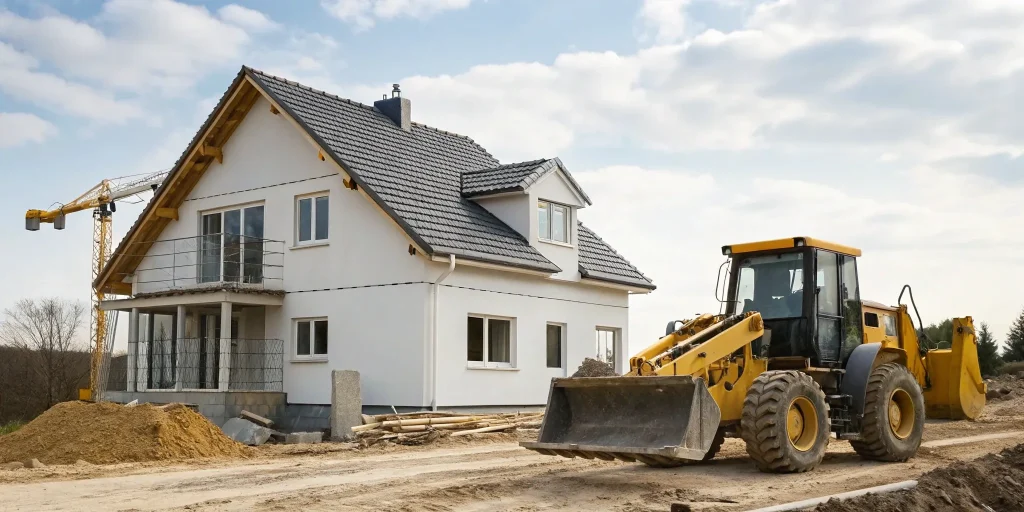
Juggling two separate loans for a new build is a major headache. First, you get a short-term loan for construction. Then, you have to refinance into a permanent mortgage once it’s done. That means double the paperwork, double the closing costs, and a ton of uncertainty. A construction loan permanent loan cuts through all that noise. This single-close loan combines both financing stages into one simple process. You apply once, close once, and lock in your long-term interest rate before breaking ground. This guide explains how this smart construction permanent financing works and why it’s a must-have for your next project.
Key Takeaways
- Streamline Your Financing with a Single Close: This loan combines construction financing and your permanent mortgage into one process. You’ll save time and money with a single application and closing, plus you can lock in your long-term interest rate before construction starts.
- Prioritize Your Pre-Construction Checklist: A successful project starts long before breaking ground. Get pre-approved to establish your budget, finalize detailed blueprints, and select a licensed, reputable builder that your lender can approve.
- Choose a Lender with Construction Expertise: A construction-to-permanent loan is more complex than a standard mortgage. Partner with a lender who specializes in new construction, understands the draw schedule, and can help you manage potential challenges like budget overruns and delays.
What is a Construction-to-Permanent Loan?
Think of a construction-to-permanent loan as a two-in-one financing solution for building a property from the ground up. It’s a single loan that covers the cost of construction and then, once the project is complete, automatically converts into a traditional mortgage. This is why you’ll often hear it called a “single-close” or “one-time close” loan. The biggest advantage here is efficiency. Instead of applying for a short-term construction loan and then refinancing into a separate mortgage later, you handle everything with one application and one closing.
This streamlined approach saves you a significant amount of time, paperwork, and money on closing costs. For real estate investors and developers managing multiple projects, this efficiency is invaluable. You lock in your interest rate for the permanent mortgage before construction even begins, which provides a layer of financial certainty in a fluctuating market. It’s a straightforward way to fund your vision, from breaking ground to welcoming tenants or buyers. Asteris Lending offers flexible new construction loans designed to support investors through every stage of development.
From Construction to Mortgage: The Two Phases
Every construction-to-permanent loan operates in two clear stages. The first is the construction phase. During this period, which typically lasts about a year, the lender doesn’t hand over the full loan amount at once. Instead, funds are paid out to your builder in stages as work is completed. Your payments during this time are usually interest-only, calculated on the amount of money that has been drawn so far. This helps keep your carrying costs manageable while the property isn’t generating income.
Once the final nail is hammered and the certificate of occupancy is issued, the loan seamlessly transitions into its second stage: the permanent phase. At this point, it becomes a standard mortgage, often with a 15- or 30-year term. You’ll begin making regular monthly payments that include both principal and interest, just like any other mortgage.
How Do Construction Draws Work?
The payment system during the construction phase is built around what’s known as a “draw schedule.” A draw is simply an installment payment from the lender to your builder. Before the project starts, you, your builder, and the lender will agree on a schedule of payments tied to specific construction milestones—for example, completing the foundation, finishing the framing, or installing the drywall.
To ensure everything stays on track, a third-party inspector usually verifies that each milestone has been completed to standard before the lender releases the next draw. This process protects everyone involved. It gives you peace of mind that you’re only paying for finished work, and it assures the lender that their investment is being used as intended to create a valuable asset.
Do You Qualify for a Construction-to-Permanent Loan?
Getting a construction-to-permanent loan involves a few more steps than a standard mortgage, so lenders will take a close look at your financial picture to make sure the project is set up for success. Think of it less as jumping through hoops and more as building a solid foundation for your investment. Before you get too far into the planning process, it’s helpful to know what lenders are looking for. Here’s a breakdown of the key qualifications you’ll need to meet.
What Lenders Look for in Your Credit Profile
Lenders need to see a strong history of managing credit, especially for a project with as many moving parts as new construction. Because building a home carries more risk than buying an existing one, you’ll generally need a higher credit score to qualify. Most lenders look for a credit score of at least 680. A solid score shows that you’re a reliable borrower, which gives the lender confidence as they fund the project in stages. If your score isn’t quite there yet, it’s worth taking some time to improve it before you apply.
How Much of a Down Payment Will You Need?
For a construction-to-permanent loan, you should plan on making a down payment of at least 20% of the total project cost. This includes the price of the land plus the estimated cost of construction. However, there’s a great advantage if you already own the lot where you plan to build. In many cases, the equity you have in the land can be used toward your down payment. This can significantly reduce the amount of cash you need to bring to the table, making it easier to get your project off the ground.
Income Requirements and Your DTI Ratio
Your income and existing debts play a big role in determining how much you can borrow. Lenders will calculate your debt-to-income (DTI) ratio by dividing your total monthly debt payments by your gross monthly income. To qualify, most lenders want to see a DTI of 45% or less, though some may go as high as 50%. This ratio helps the lender ensure you can comfortably handle the new mortgage payment on top of your other financial obligations. It’s a good idea to calculate your DTI beforehand so you know where you stand.
The Essential Document Checklist
Applying for a construction loan requires more paperwork than a typical mortgage because the lender is essentially investing in a concept. You’ll need to provide a detailed set of plans and documents to show that your project is well-thought-out and viable. Be ready to submit your project’s blueprints, a detailed budget, and proof of your builder’s license and insurance. Your lender will also need to approve your chosen architect and contractor, so make sure you’re working with licensed, reputable professionals from the start. Having this information organized will make the application process much smoother.
Types of Construction-to-Permanent Loans
While the single-close construction-to-permanent loan offers a modern, streamlined path to financing your build, it’s not the only option out there. The alternative is a more traditional, two-step process that involves separate loans for the construction and permanent phases. Understanding the mechanics of both is key to appreciating why the single-close model has become so popular among investors and developers. Each approach has a different impact on your timeline, budget, and overall financial risk. The primary distinction comes down to how many times you have to go through the loan application and closing process: once or twice.
Single-Closing vs. Two-Closing Loans
Choosing between a single-closing and a two-closing loan is about deciding how you want to manage the transition from construction financing to your long-term mortgage. The single-closing loan, as we’ve discussed, bundles everything into one neat package. The two-closing loan separates them, treating the construction and the final mortgage as completely distinct financial transactions. This choice affects everything from the fees you’ll pay to the interest rate you’ll secure for the life of the loan, making it a critical decision at the outset of your project.
The Single-Closing Process
The single-closing process is all about efficiency. As its name suggests, you go through the underwriting and closing process just one time. This single transaction establishes both the short-term financing for the construction phase and the long-term mortgage that kicks in once the property is complete. According to Fannie Mae, this structure allows lenders to seamlessly replace the construction loan with a permanent mortgage. The biggest advantage is that you lock in your permanent interest rate before construction even starts, protecting you from market fluctuations while you build. This predictability is why savvy investors often prefer the single-close solutions offered by lenders like Asteris Lending.
The Two-Closing Transaction Process
The two-closing process is the traditional way to finance new construction, and it works exactly as it sounds. First, you secure a short-term loan to cover the costs of building the property. During this phase, the lender pays out funds in draws as work is completed. Once construction is finished, you must then apply for a completely separate, permanent mortgage to pay off the initial construction loan. This means you go through two full application and closing processes, which translates to double the paperwork and double the closing costs. The main risk here is uncertainty—if interest rates rise during the construction period, you could end up with a higher rate on your permanent mortgage than you originally planned for.
Weighing the Pros and Cons of a Single-Close Loan
A single-close loan, also known as a construction-to-permanent loan, streamlines the process of financing a new build. Instead of juggling two separate loans—one for construction and another for the final mortgage—you handle everything with one application and one closing. This approach has some fantastic benefits, but it’s not without its trade-offs. Understanding both sides of the coin will help you decide if this is the right path for your next project.
Like any financing tool, the value of a single-close loan depends entirely on your specific goals, timeline, and financial situation. For many real estate investors and developers, the simplicity and predictability are major draws. For others, the structure might present a few challenges. Let’s break down the key advantages and potential drawbacks you should consider before moving forward.
Pro: Simplify with a Single Closing and Rate Lock
The biggest advantage is right in the name: a single close. You go through the underwriting and closing process just once, which saves you a significant amount of time, paperwork, and money on a second set of closing costs. This efficiency is a huge relief when you’re already managing the complexities of a construction project.
Even better, you lock in your interest rate before the first shovel hits the ground. That rate is set for the life of the loan, so you don’t have to worry about market fluctuations while your property is being built. This gives you incredible peace of mind and makes it much easier to forecast your long-term costs and profitability from day one.
Con: Facing Higher Costs and More Complexity
In exchange for the convenience and rate security, you might see a slightly higher interest rate compared to a traditional mortgage. Lenders take on more risk with new construction loans because they are financing a project that isn’t built yet. The higher rate helps offset that risk, particularly during the construction phase when the collateral is still a work in progress.
While the process is streamlined into one loan, the upfront requirements can feel more intensive. The lender will need to approve not just you as the borrower, but also your builder, your architectural plans, and your budget. This requires a bit more preparation, but it also serves as a valuable check to ensure your project is set up for success.
Does It Fit Your Timeline and Budget?
With a single-close loan, the construction phase typically lasts around a year. During this period, you usually make interest-only payments on the funds that have been drawn to pay your builder. This helps keep your carrying costs manageable before the property is completed and generating income.
However, it’s crucial to have a solid budget and a contingency plan. If construction costs run higher than your original estimate, you’ll be responsible for covering the difference out of pocket. A good lender will help you build a realistic budget from the start, but staying on top of expenses and communicating with your builder is key to preventing costly overruns and keeping your project on track.
The Importance of an Estimated Appraisal
Before a lender can approve your loan, they need to know what the finished property will be worth. This is where an “as-completed” appraisal comes in. Unlike a standard appraisal on an existing home, this one requires a professional to look into the future. Using your architectural plans, building materials, and data from comparable properties in the area, an appraiser will estimate the home’s market value upon completion. This step is critical because the entire loan amount is based on this future valuation. It serves as a crucial checkpoint, confirming for both you and the lender that the project is financially sound and that the finished home will be worth the cost of building it.
Securing Builder’s Risk Insurance
A construction site is a vulnerable place, exposed to risks like theft, vandalism, and weather damage. That’s why a standard homeowner’s policy won’t cover it. To protect the project during the build, your lender will require you to get a specialized policy called builder’s risk insurance. This insurance is designed specifically to cover the structure and materials while the property is under construction. Think of it as a financial safety net for everyone involved. It gives you peace of mind and assures the lender that their investment is protected from unforeseen events before the home is complete and a traditional insurance policy can take over.
Government-Backed Construction Loan Options
While many investors use private financing for new builds, it’s worth knowing about government-backed loan programs. These loans, primarily offered through the Federal Housing Administration (FHA) and the Department of Veterans Affairs (VA), can be great alternatives, especially if you’re building a primary residence. They are insured or guaranteed by the federal government, which means lenders can offer more flexible qualification terms, like lower down payments and more forgiving credit score requirements. This can make them an accessible entry point for building a new home.
These programs also offer the same single-close structure as conventional construction-to-permanent loans, combining the construction financing and the permanent mortgage into one streamlined process. This means you still get the benefit of a single application and one set of closing costs. However, they come with their own specific rules, from loan limits to insurance requirements. Understanding the details of FHA and VA construction loans will help you determine if one of these government-backed options aligns with your project goals and financial situation.
FHA Construction Loans
An FHA construction-to-permanent loan is a popular choice for borrowers who might not meet the stricter down payment or credit requirements of a conventional loan. Because these loans are insured by the Federal Housing Administration, lenders are protected against potential losses, allowing them to approve a wider range of applicants. This makes the dream of building a new home a reality for many who might have otherwise been shut out of the market. If you’re planning to live in the home you’re building, this type of loan is definitely one to consider.
Down Payment and Credit Score Requirements
One of the most attractive features of an FHA construction loan is the low barrier to entry. You can often qualify with a down payment as low as 3.5% of the total project cost, which includes both the land and construction expenses. This is a significant advantage compared to the 20% or more typically required for conventional construction loans. To be eligible, you’ll generally need a minimum credit score of around 620. This combination of a low down payment and flexible credit requirements makes FHA loans a powerful tool for first-time homebuilders.
Understanding FHA Loan Limits and Mortgage Insurance
Before you get too far, it’s important to check the FHA loan limits in your area, as they vary by county and can impact the maximum amount you can borrow. Another key factor to consider is mortgage insurance. FHA loans require you to pay a mortgage insurance premium (MIP), which protects the lender if you default on the loan. This includes an upfront premium paid at closing and an annual premium paid in monthly installments, often for the entire life of the loan. While the upfront terms are favorable, MIP adds to your overall borrowing cost.
No Payments During the Construction Phase
A major perk of the FHA one-time close loan is that you are not required to make any mortgage payments while your home is under construction. This feature provides significant financial relief during a period when you might also be paying for rent or another mortgage. Instead of juggling a construction loan payment on top of your other living expenses, you can focus your resources on the build itself. Your regular principal and interest payments only begin once the construction is complete and the loan has converted to a permanent mortgage.
VA Construction Loans
For eligible veterans, active-duty service members, and their spouses, a VA construction loan is an unbeatable financing option. Guaranteed by the U.S. Department of Veterans Affairs, these loans are designed to make homeownership more accessible for those who have served the country. Like FHA loans, they offer a single-close transaction that covers the land purchase, construction, and permanent mortgage all at once. The benefits are substantial, removing some of the biggest financial hurdles associated with building a new home from the ground up.
Zero Down Payment for Eligible Veterans
The most significant advantage of a VA construction loan is the ability to finance your project with zero down payment. This is a rare and powerful benefit that allows veterans to build a home without needing to save up a large sum of cash beforehand. On top of that, VA loans do not require private mortgage insurance (PMI), which can save you hundreds of dollars every month compared to other loan types. This combination of no down payment and no PMI makes the VA construction loan one of the most affordable ways to fund a new build.
Eligible Property Types for Construction Financing
One of the best things about a construction-to-permanent loan is its flexibility. It’s designed to support a wide range of building projects, not just the traditional single-family home on a suburban lot. However, because these loans are often backed by major entities like Fannie Mae, there are specific guidelines about what types of properties qualify. Understanding these rules from the start will help you focus your search and ensure your project is eligible for financing.
Whether you’re planning to build a modern modular home, develop a detached condo, or tear down an old structure to make way for something new, there’s a good chance a single-close loan can work for you. The key is knowing the specific requirements for each property type. Let’s walk through some of the most common scenarios so you can see how your vision aligns with what lenders can finance.
Rules for Manufactured and Modular Homes
If you’re considering a manufactured or modular home, you’re in luck. These property types are eligible for construction-to-permanent financing. This is great news for investors looking for efficient and cost-effective building methods. The loan isn’t just for the structure itself; it’s designed to be comprehensive. You can use the funds to cover the purchase of the land, the cost of the home, and even site improvements like adding a garage, driveway, or landscaping. This all-in-one approach allows you to finance the entire project from start to finish under a single loan, simplifying your budget and timeline.
Financing Detached Condos and Co-ops
When it comes to condos, the rules get a bit more specific. A construction-to-permanent loan can be used to finance the construction of a detached condo unit—a standalone structure that legally operates as part of a condominium association. However, attached condos and co-ops are generally not eligible for this type of financing. The distinction is important because attached units share walls and common structures, which creates a different risk and ownership profile that doesn’t fit the single-close loan model. If your development plan involves condos, focusing on detached units is the best way to use this streamlined financing.
Using a Loan for a Tear-Down and Rebuild Project
Construction loans aren’t just for empty lots. They are also an excellent tool for infill development, where you purchase a property with an existing—but outdated or undesirable—structure on it. A construction-to-permanent loan can finance a tear-down and rebuild project. This allows you to acquire a property in a great location, demolish the old house, and build a brand-new one in its place. The loan covers the entire process, from demolition to final construction, before converting into your permanent mortgage. This is a popular strategy for investors looking to add modern, high-value properties to established neighborhoods.
What Does the Application Process Look Like?
The journey from a vacant lot to a finished property might seem complicated, but the application process for a construction-to-permanent loan is designed to be a clear, step-by-step partnership between you, your builder, and your lender. Think of it in three distinct phases: getting your plans and financing in order, overseeing the build, and finally, transitioning to your long-term mortgage. Each stage has built-in checkpoints to keep your project on schedule and within budget.
Understanding this flow from the start helps you prepare for what’s ahead and ensures there are no surprises along the way. While it involves more moving parts than a standard home loan, the structure is there to protect your investment and help you successfully complete your project. Working with a lender who specializes in new construction loans can make this process feel much more manageable, as they’ll guide you through each requirement. Let’s walk through what you can expect at every step.
Step 1: Secure Pre-Approval and Finalize Your Plans
Before you even think about breaking ground, the first step is to get your financial ducks in a row. Take a close look at your finances and credit report to understand your standing. From there, you’ll want to get pre-approved with a lender. This is a critical step because it tells you exactly how much you can borrow, which in turn defines your total project budget. Once you have that number, you can work with your architect and builder to finalize the construction plans, knowing precisely what you can afford. This initial phase is all about laying a solid foundation for both your finances and your future property.
Step 2: What Happens During Construction
Once your loan is approved and construction begins, your lender won’t just hand over the full loan amount to the builder. Instead, the funds are paid out in stages, often called “draws.” As your builder completes specific milestones—like laying the foundation, framing the structure, or installing plumbing—they can request a draw. The lender will typically send an inspector to verify the work is complete and up to standard before releasing the funds for that phase. This system of scheduled payments ensures the project stays on track and that money is only paid for work that has actually been finished, protecting both you and the lender.
Step 3: Finalizing Your Permanent Loan
Here’s where the magic of a single-close loan happens. As soon as construction is finished and the final inspection is complete, your loan automatically converts into a permanent mortgage. There’s no need to go through a second closing or reapply for a new loan, which saves you time, money, and a lot of paperwork. At this point, the construction phase is over, and you’ll begin making regular monthly payments that include both principal and interest, just like a traditional mortgage. Your project is now a fully functioning asset, ready to be rented out or used as planned, with stable rental property financing in place for the long term.
How Are Interest Rates Calculated?
Understanding the interest rate on a construction-to-permanent loan is a little different than with a standard mortgage. Because the loan covers two distinct phases—the build and the permanent financing—the rate structure reflects the changing risk for the lender. It’s not just one number, but a journey that starts with construction and ends with your long-term mortgage.
The good news is that with a single-close loan, you lock in your permanent rate from the very beginning, giving you a clear picture of your long-term costs before the first shovel ever hits the ground. Let’s break down how these rates are determined and what you can expect during each phase.
How Your Rate Changes from Construction to Permanent
During the construction phase, you can expect the interest rate to be higher than a conventional mortgage rate. Lenders view this period as higher risk because they are lending on a project in progress rather than a finished, tangible asset. Throughout this stage, you typically make interest-only payments on the funds that have been drawn to pay your builder. This keeps your monthly payments lower while the property isn’t generating income.
Once construction is complete and your certificate of occupancy is issued, the loan automatically converts into a permanent mortgage. At this point, the construction-phase rate disappears, and your pre-locked permanent interest rate takes effect. You’ll begin making regular principal and interest payments, just like you would with any standard home loan. This seamless transition is one of the biggest advantages of using a single-close loan for new construction projects.
What Influences Your Final Interest Rate?
Your final, permanent interest rate is influenced by a mix of personal financial details and broader economic factors. On a personal level, lenders will look closely at your creditworthiness, including your credit score and financial history. A stronger profile and a larger down payment typically help you secure a more favorable rate.
Beyond your own finances, wider market conditions play a significant role. Economic trends, inflation, and the Federal Reserve’s interest rate policies all affect the cost of borrowing money. While you can’t control the economy, you can focus on strengthening your financial standing to position yourself for the best possible terms. The specific details of your loan, such as its size and term length, will also be factored into the final calculation, similar to how rates are set for rental property financing.
Common Construction Loan Hurdles to Expect
Building a property from the ground up is an incredible undertaking, but it rarely goes exactly as planned. While a construction-to-permanent loan simplifies the financing, the construction process itself can present a few hurdles. Knowing what to expect ahead of time is the best way to keep your project on track and on budget. Let’s walk through some of the most common challenges you should prepare for so you can face them with confidence.
How to Get Your Builder Approved
Before a lender agrees to finance your project, they need to be confident in the team you’ve hired to build it. This isn’t just a formality; it’s a crucial step to protect everyone’s investment. Lenders will require you to work with licensed and insured architects and contractors with a proven track record of completing projects similar to yours. They’ll review your builder’s credentials, references, and financial stability. To make this process smoother, start vetting potential builders early and have all their documentation ready for your lender’s review. This ensures your project is in capable hands from day one.
How to Handle Cost Overruns
Even with the most detailed plans, unexpected costs can pop up. Material prices might change, or unforeseen site issues could arise. It’s important to know that if building costs go higher than your loan amount, you’ll likely have to cover the difference out of pocket. This is why building a healthy contingency fund—typically 10% to 20% of the total construction cost—into your budget is non-negotiable. An experienced lender will also help manage this by carefully overseeing the draw schedule and conducting inspections to ensure funds are used appropriately, which helps keep the project aligned with the original budget.
How to Manage Construction Delays
Weather, supply chain disruptions, and labor shortages can all lead to construction delays. Most new construction loans have a set timeframe for the building phase, usually around one year, though extensions are sometimes possible. It’s critical to understand the terms of your specific loan, as significant delays can create complications. For example, some single-close loans have a firm deadline for completion. Working with your builder to create a realistic timeline with built-in buffers for potential delays is key. Regular communication with your construction team and your lender will help you manage expectations and address any issues before they derail your project.
Key Underwriting and Refinancing Rules
While a construction-to-permanent loan is designed to be straightforward, it’s still a complex financial product with specific rules you need to follow. Think of these guidelines not as obstacles, but as the guardrails that keep your project and your financing on a clear path to success. Understanding the key underwriting and refinancing rules from the start helps you avoid potential delays or complications down the road. These regulations cover everything from project timelines to changes in your financial situation, ensuring that the loan remains viable from the first draw to the final mortgage payment.
Construction Time Limits for Single-Close Loans
When you opt for a single-close loan, you’re agreeing to a specific construction timeline. Lenders typically require the project to be completed within a set period, often around 12 to 18 months. According to Fannie Mae guidelines, if your project extends beyond 18 months, you may no longer be eligible for the single-close structure. In that case, you would need to go through a second closing to secure your permanent mortgage. This essentially turns your streamlined loan into a two-closing transaction, adding extra paperwork, costs, and potential rate risk you were trying to avoid. Sticking to your construction schedule is crucial for preserving the benefits of a single-close loan.
Updating Expired Credit Documents
Your financial documents, like your credit report and income verification, have a shelf life. Lenders generally consider these documents valid for about 120 days. Because construction can take a year or more, it’s very likely that your initial paperwork will expire before the project is finished and the loan converts to its permanent phase. When this happens, you’ll need to provide updated documentation. This is a standard part of the process, but it’s important to be prepared. A significant negative change in your credit score or income could impact the final terms of your loan, so maintaining financial stability throughout the build is key.
Re-Underwriting for Loan Term Changes
It’s important to be certain about your loan terms before you close, because changing your mind later isn’t a simple fix. For instance, if you decide you want to switch from a 30-year mortgage to a 15-year term after the loan is already in place, the lender will need to re-underwrite the entire loan. This means they have to re-evaluate your application based on the new terms, which can cause delays and require you to submit new paperwork. The rate and terms you locked in were based on your original agreement, so any major changes will trigger a full review. To keep things simple, finalize your long-term strategy before you sign the closing documents.
Rules for Cash-Out Refinancing on a Two-Closing Loan
While this guide focuses on single-close loans, it’s helpful to know the rules for other financing structures you might encounter. If you use a two-closing construction loan and later want to do a cash-out refinance, there are specific seasoning requirements you’ll need to meet. Lenders will typically require you to have owned the land for at least six months before the permanent loan closes. This rule is in place to ensure you have a vested interest in the property beyond a quick flip. It’s a different approach than the all-in-one structure of a single-close loan, but it’s a key guideline for investors using a two-step financing strategy for their new construction projects.
How to Choose the Right Lender
Selecting a lender for your construction-to-permanent loan is one of the most critical decisions you’ll make in your project. This isn’t just about finding the best interest rate; it’s about finding a true financial partner who understands the unique rhythm of a construction project. A great lender acts as a steady hand, guiding you from the initial blueprint to the final walkthrough. They should be a resource, a problem-solver, and a stable part of your team. The right choice will bring you peace of mind and financial clarity, while the wrong one can introduce unnecessary stress and delays. As you evaluate your options, think beyond the numbers and consider the experience, transparency, and partnership each lender brings to the table.
Prioritize Lenders with Construction Loan Experience
A construction-to-permanent loan is far more complex than a standard mortgage. It involves multiple stages, including builder approvals, site inspections, and a draw schedule for releasing funds as work is completed. This is why you need a lender with specific expertise in new construction loans. An experienced lender knows what to expect. They can anticipate potential hurdles, help you structure your draws effectively, and ensure the process moves forward smoothly. They’ve seen it all before and can offer guidance when plans change or unexpected issues arise. Don’t be afraid to ask potential lenders about their experience with projects similar to yours. Their answers will reveal their level of expertise and their ability to support you.
Working with a Specialized Real Estate Lender
Think of your lender less as a bank and more as a project partner. A specialized real estate lender understands the unique rhythm of a build, from managing the draw schedule to coordinating site inspections and approving your builder. They can help you anticipate challenges like budget overruns or supply chain delays and create a solid plan to address them. This kind of proactive support is invaluable and something you won’t typically find with a conventional mortgage provider. Having the right team in your corner not only simplifies the financing but also adds a layer of expertise that can be the difference between a stressful project and a successful one.
Comparing Lender Rates, Fees, and Terms
Of course, the financial details matter. When you start comparing offers, you’ll likely notice that interest rates on construction loans are often slightly higher than those for a conventional mortgage. This is because the lender is taking on more risk during the building phase. However, the rate is only one piece of the puzzle. Be sure to ask for a full breakdown of all associated costs, including origination fees, inspection fees, closing costs, and any rate-lock fees. A lower interest rate might look appealing, but high upfront fees could make it a more expensive option overall. Getting a complete loan estimate from each lender will help you make a true apples-to-apples comparison.
Choose a Lender Who Supports You Start to Finish
The single-close nature of a construction-to-permanent loan is designed for simplicity, and your lender should reflect that. You want a partner who will be with you for the entire journey, not just one part of it. Having a single point of contact who understands your project from its conception through its conversion to a permanent mortgage is invaluable. This continuity saves you from having to re-explain your plans and financial situation to different people. A lender who offers a true partnership, like a capital advisory service, can provide a more holistic and supportive experience. They are invested in your success and work with you to ensure a seamless transition from a construction site to a completed property.
How Do Construction-to-Permanent Loans Compare?
When you’re planning a new build, the financing you choose is just as important as the blueprints. A construction-to-permanent loan is a fantastic tool, but it’s one of several options available to investors and developers. Understanding how it stacks up against other types of new construction loans will help you pick the right path for your project’s goals and your financial strategy. Let’s break down the key differences so you can make your decision with confidence.
Single-Close vs. Traditional Construction Loans
Think of a traditional construction loan as a short-term solution. It provides the funds you need to cover building costs, but its job is done once the last nail is hammered in. At that point, the loan is due, and you have to secure a separate, long-term mortgage to pay it off. A construction-to-permanent loan, on the other hand, is a two-in-one deal. It finances the construction phase and then automatically converts into a standard mortgage once the project is complete. The primary difference is convenience and continuity—one loan carries you from breaking ground to moving in.
One Loan vs. Two: What’s the Difference?
Opting for two separate loans—a construction loan followed by a permanent mortgage—means going through the financing process twice. You’ll have two applications, two underwriting processes, and two closings. This also means you’ll pay closing costs twice, which can add a significant expense to your project. With a construction-to-permanent loan, you handle all of that just once. You have a single closing before construction begins, which saves you time, paperwork, and money. This one-time close process is a major advantage for investors looking to streamline their projects and lock in their financing terms from the start.
Which Financing Option Is Right for You?
So, how do you choose? Your investment strategy is the best guide. If you plan to build a property and hold it as a long-term rental or your own residence, the construction-to-permanent loan is often the ideal choice. It simplifies the financing journey and gives you peace of mind by securing your permanent mortgage terms upfront. However, if your goal is to build and sell the property quickly—like a spec home—a traditional, construction-only loan might be a better fit. Since you don’t need long-term financing, you can simply pay off the construction loan with the proceeds from the sale without ever needing a permanent mortgage.
Alternative Financing for Building or Renovating
While a construction-to-permanent loan is an excellent tool for ground-up builds, it’s not the only financing option on the table. Different projects call for different financial strategies, especially when you’re renovating an existing property or need to fund a smaller-scale project. For real estate investors, having a versatile toolkit of financing solutions is key to seizing opportunities as they arise. Whether you’re tapping into the equity of your current portfolio or need quick capital for a fix-and-flip, understanding the alternatives will help you make the most strategic choice for your specific goals. Let’s explore a few other common ways to fund your next build or renovation.
Home Equity Line of Credit (HELOC) or Cash-Out Refinance
If you already own property, you might be sitting on a powerful financial resource: equity. A Home Equity Line of Credit (HELOC) or a cash-out refinance allows you to borrow against the value you’ve built in an existing property. With a HELOC, you get a revolving line of credit you can draw from as needed, which is great for ongoing renovation projects with unpredictable costs. A cash-out refinance involves replacing your current mortgage with a new, larger one and taking the difference in cash. Both are effective ways for investors to leverage one asset to fund another, whether it’s for a down payment on a new build or to finance a complete overhaul of a rental unit.
Using Personal Loans for Renovations
When speed and simplicity are your top priorities, a personal loan can be a viable option for smaller renovation projects. Unlike a mortgage, a personal loan is typically unsecured, meaning you don’t have to put up property as collateral. You receive the funds as a single lump sum, which can be helpful for projects with a clear, fixed budget. However, this convenience often comes with higher interest rates and shorter repayment terms compared to equity-based financing. For investors, a personal loan is best suited for quick, minor updates to a property rather than a full-scale construction project, where the costs and timeline would be better served by a more structured loan.
FHA 203(k) Mortgages for Fixer-Uppers
For investors focused on turning a diamond in the rough into a profitable asset, the FHA 203(k) loan is a specialized tool worth knowing. This government-backed mortgage allows you to buy a property that needs significant work and roll the renovation costs into the same loan. It’s a single financing package for both the purchase and the rehab of a fixer-upper. While this can be a great option, many investors find the government requirements and slower timeline restrictive. For more flexibility and speed on a fix-and-flip project, a private lending solution like a bridge loan often provides the agility needed to acquire, renovate, and sell a property efficiently.
How to Ensure a Smooth Building Process
A construction-to-permanent loan is a marathon, not a sprint. The key to a stress-free experience is doing the right prep work before the first shovel ever hits the ground. When you take the time to plan carefully, you’re not just building a property—you’re building a solid foundation for your investment. A little organization upfront can save you from major headaches, unexpected costs, and frustrating delays down the road. Think of it as creating a detailed roadmap for your project; it ensures everyone, from your builder to your lender, is heading in the same direction. By focusing on a few key areas before you begin, you can confidently manage the entire process from start to finish.
How to Vet and Hire the Right Contractor
Your builder and architect are the most important partners you’ll have on this journey, so choosing the right team is non-negotiable. You need licensed, experienced professionals who have a great track record. Because we’re financing the project, we’ll also need to approve your builder. This isn’t just a box-ticking exercise; it’s a crucial step to protect your investment and ours. We want to ensure the team you hire is qualified to handle the scope of your project and can deliver high-quality work. A well-vetted contractor is essential for keeping your new construction project on schedule and within budget.
Tips for Sticking to Your Budget and Timeline
Managing your finances and schedule is critical once construction begins. With a construction-to-permanent loan, your lender pays the builder directly in stages, often called “draws.” As your builder completes a phase of the project, like pouring the foundation or completing the framing, an inspector will verify the work. Once approved, we release the next payment. This structured process helps keep everything moving forward. However, it’s smart to plan for the unexpected. If building costs run higher than your initial estimates, you’ll need to cover the difference. Having a contingency fund is the best way to handle these overruns without derailing your project.
Your Final Pre-Construction Checklist
Before you get too far into the details, it’s best to get your ducks in a row. The very first step should be getting pre-approved for your loan. This gives you a clear and realistic understanding of how much you can borrow, which allows you to set a practical budget for your entire project. Next, you’ll need to finalize your home plans, or blueprints. Make sure they are incredibly detailed and comply with all local building codes and regulations. Taking the time to get these two things squared away first will help you avoid costly changes and delays once construction is underway and makes the entire lending process much smoother.
Related Articles
- 5 Steps for a Construction Loan Approval
- Ground Up Construction Financing: The Complete Guide
- How Does Builder Financing Work? Explained
- How Hard Is It to Get a Construction Loan? A Guide
- 9 Best Ground Up Construction Lenders of 2026
Frequently Asked Questions
Why should I choose a single-close loan instead of getting a construction loan and then a mortgage later? While getting two separate loans is an option, a single-close loan is designed for efficiency. You go through the application and closing process just once, which saves you a considerable amount of money on a second set of closing costs. More importantly, you lock in your permanent interest rate before construction even starts, protecting you from potential rate hikes during the build. This gives you financial certainty from day one.
What happens if my construction costs go over the loan amount? This is a common concern, and it’s why planning is so important. If your project costs exceed the approved loan amount, you will be responsible for covering the difference out of pocket. To prepare for this, it’s standard practice to build a contingency fund of about 10-20% of the total construction cost into your overall budget. This ensures that unexpected expenses don’t derail your project.
Do I have to make full mortgage payments while the property is being built? No, you don’t. During the construction phase, your payments are typically interest-only and are calculated based on the amount of money that has been paid out to your builder so far. This keeps your carrying costs low while the property isn’t generating income. You will only begin making full principal and interest payments after the project is complete and the loan converts into its permanent phase.
I already own the land where I want to build. Does that help me qualify? Yes, it absolutely can. If you own your lot outright or have significant equity in it, that equity can often be used toward your down payment requirement. For many investors, this is a major advantage that can significantly reduce the amount of cash you need to bring to the table, making it much easier to get your project funded.
My builder is ready to go. Is now the right time to apply for the loan? The best first step is actually to get pre-approved for your loan before you finalize all the details with your builder. A pre-approval gives you a clear understanding of your budget and shows you exactly how much you can borrow. Armed with that information, you can then work with your builder to create realistic plans that fit your financing, which makes the entire process much smoother for everyone involved.
