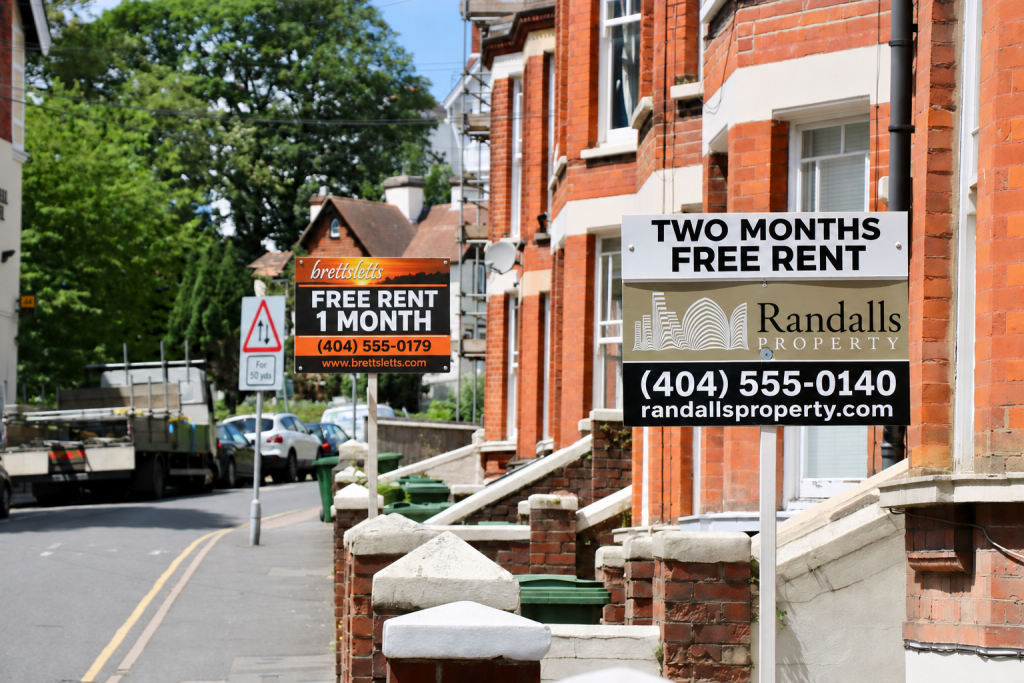
A rental property advertised at $2,000 a month may collect $22,000 over a year if the owner offers one month free on a 12-month lease. That brings the effective monthly rent to about $1,833, before operating expenses.
For investors, the concession changes the income available to cover the property’s costs. It also raises a question for 2027 budgets: will similar offers be necessary when the next lease is signed?
Leasing Promotions Could Continue into 2027
According to GlobeSt, rental housing economist Jay Parsons expects concessions to shrink as apartment occupancy improves. He cautions owners against assuming those offers will disappear entirely in 2027. Renters have become accustomed to looking for deals, and leasing teams continue to use them to secure tenants. (source)
Higher occupancy can support rental income while concessions remain in place. The amount collected depends on the discount attached to each lease.
Conditions also differ across Southeast markets. According to CoStar’s October apartment report, Atlanta and Raleigh moved into positive annual rent growth. Charlotte remained down 0.7%, while Orlando was down 0.8%. (source)
These figures provide broader apartment-market context. An investor evaluating a particular property needs nearby comparable rentals with similar characteristics, including the promotions attached to their advertised rents.
Account for the Full Cost of the Offer
Consider two properties advertising rent at $2,000 a month. One leases without an incentive. The other offers one month free.
Assuming both are occupied for the full year and collect all rent due, the property offering the concession produces $2,000 less in annual rental income. Its operating expenses and debt payments still need to be covered during the free month.
The timing of the discount also affects cash flow. Waiving the first month leaves the owner without rent at the beginning of the lease. Spreading the same discount across 12 months reduces each payment instead.
A concession may be worthwhile if it helps avoid a longer vacancy. The comparison depends on how long the property would otherwise sit empty and the rent it could reasonably achieve without the offer.
Review the Renewal Assumptions
A lease signed with a concession requires particular attention when projecting renewal income.
A tenant paying $22,000 during the first year would pay $24,000 the following year if the monthly rent remained at $2,000 and the free month disappeared. The tenant’s annual housing cost would increase by about 9.1%.
That increase could affect the renewal decision, especially if nearby properties continue to advertise incentives. An owner’s ability to remove the concession depends partly on the alternatives available to the tenant.
A budget that assumes the full $24,000 in the second year should account for that uncertainty. Running a separate projection with a continued concession can show how much the property depends on recovering the discount.
Consider the Financing Implications
Concessions also deserve attention when preparing for a purchase or refinance. A property’s advertised rent may differ from the income supported by its leases.
How a lender evaluates that difference depends on the loan program and underwriting requirements. Providing lease terms and concession details early can help clarify the income being evaluated.
For investors building 2027 projections, the rent a property can reasonably collect is the useful starting point. Any promotion required to achieve that income belongs in the calculation.
