

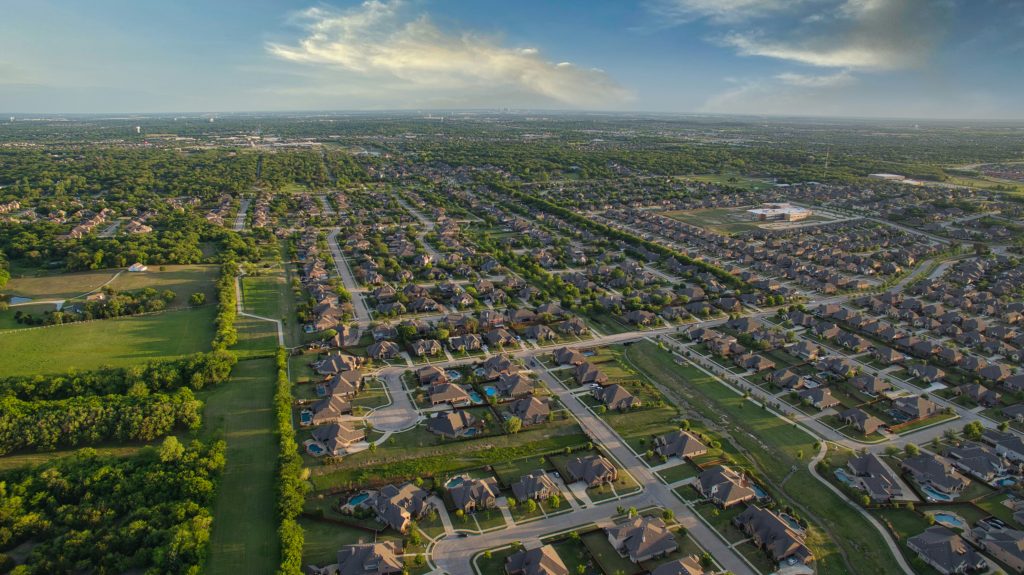
Recent housing data continues to support the investment case for the Southeast. The region has spent several years attracting new residents and new development. Current data shows that housing activity remains substantial, even as the market settles into a more balanced pace. For investors, the size of the housing market and continued development across the Southeast make the region worth watching closely.
The South represents more than half of active housing inventory
As of June 20, the South had 459,019 active single-family listings. That represented 55.3% of all active housing inventory in the United States. Inventory in the region was also 0.8% lower than a year earlier. (HousingWire)
That scale matters for investors. More than half of the country’s active single-family inventory is concentrated in one region, creating a large market for acquisitions and rental housing. Housing demand has also remained resilient nationally through much of 2026. HousingWire also reported more than 420,000 homes under contract in mid-June, while new listings remained below typical pre-pandemic levels.
People continue to choose the Southeast
Recent moving data also points toward continued demand for housing in the region. Southeast and Sun Belt states were among the leading destinations for one-way moves among baby boomers and Gen X households during the year ending in June 2026. HousingWire’s analysis included markets such as Charleston, Myrtle Beach, Wilmington and several Florida metros among the leading inbound destinations.
For real estate investors, population movement is one part of the demand picture. More households entering a market can support demand for rental housing and create opportunities for new residential development.
Build-to-rent activity remains concentrated in the South
The development pipeline provides another measure of investor interest.
RealPage counted 59,660 build-to-rent units under construction nationwide in August. The South accounted for 35,579 of those units, or roughly 60% of the national pipeline. Atlanta alone had 3,348 BTR units underway. Charlotte has also developed into a significant build-to-rent market. Bisnow reported in June that the metro had become one of the stronger BTR markets in the country, supported in part by population growth and housing costs.
The pipeline shows that developers continue to commit capital to residential demand across the region.
Capital is active in major Southeast markets
Recent transactions provide another view into the market. In September, a Los Angeles investment firm paid $109.9 million for a 468-unit apartment community in Alpharetta. BisNow reported that institutional buyers have been active in well-located Atlanta-area properties. New apartment deliveries in the metro fell 40.5% during the second quarter, while average effective rents posted their first increase in two years.
Charlotte is attracting outside capital as well. Tishman Speyer entered the market in August with a $76.3 million acquisition of a 296-unit apartment property in Dilworth. These transactions offer a useful signal. Experienced investors continue to put capital into Southeast markets when the property and location support the investment.
What this means for investors
The Southeast remains a large and active housing market. Population movement continues to support demand, while residential development remains heavily concentrated in the region. The current environment also puts more weight on individual market fundamentals. Atlanta may present a different opportunity from Charlotte. A growing secondary market may require a different approach from an established metro.
Asteris Lending is institutionally backed and headquartered in Atlanta, placing the firm close to many of the markets driving residential investment across the Southeast. That proximity provides a direct view into the financing activity taking place throughout the region. The latest data continues to support a long-term case for the Southeast. Housing demand remains meaningful, development capital remains active and investors continue to find opportunities across the region.
